Enterprise AI Shifts Toward Integrated Frontier Engineering Workbenches
Major technology firms are pivoting from foundational model development to the industrialization of agentic workflows, prioritizing deployment and integration over raw compute.
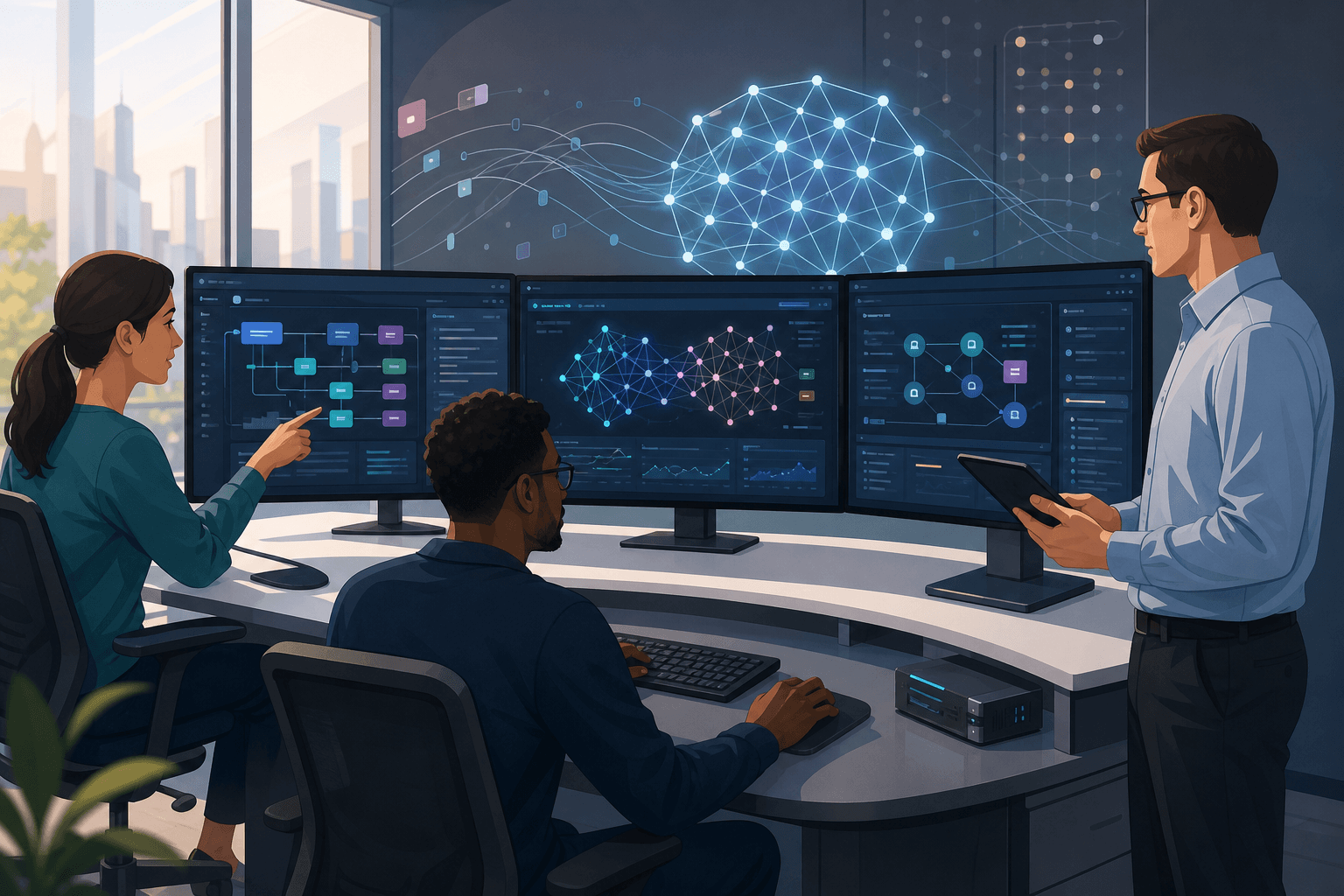
The artificial intelligence sector is undergoing a shift in capital allocation where model performance is increasingly secondary to the operational mechanics of deployment and integration. This transition, evidenced by a flurry of activity in early July 2026, marks the move from foundational model experimentation to the systematic implementation of automated software agents within enterprise environments.
According to The Sequence, Claude Fable 5 returned to service on July 1 following a 19-day suspension imposed by export-control protocols, highlighting the ongoing friction between global model accessibility and jurisdictional compliance. The model’s reintegration into the ecosystem underscores the operational fragility of relying on external, high-parameter models that remain subject to sudden regulatory shifts.
Z.ai introduced ZCode, an agentic development environment built upon the GLM-5.2 architecture, aimed at streamlining the creation of autonomous software agents. By providing a free, integrated workspace, the company seeks to lower the barrier for developers attempting to move beyond basic prompt engineering into complex, multi-step agentic execution.
Anthropic launched Claude Science, a dedicated workbench designed to assist researchers in managing large-scale data analysis and hypothesis testing. This toolset signals a move toward vertical-specific interfaces that abstract away the underlying model complexity for domain experts who require high-fidelity outputs for specialized tasks.
Microsoft committed $2.5 billion and a dedicated workforce of 6,000 engineers to its newly formed Microsoft Frontier Co. to accelerate the deployment of production-ready AI systems. This move follows a $1 billion investment by AWS into its own forward-deployed engineering initiative, demonstrating a massive capital allocation toward the infrastructure layer.
These investments in Microsoft Frontier Co. and the AWS engineering push represent a fundamental change in how large organizations must approach their CI/CD pipelines. Enterprise architects are now tasked with integrating these high-velocity, agentic development environments into existing workflows that were previously designed for static, non-autonomous codebases.
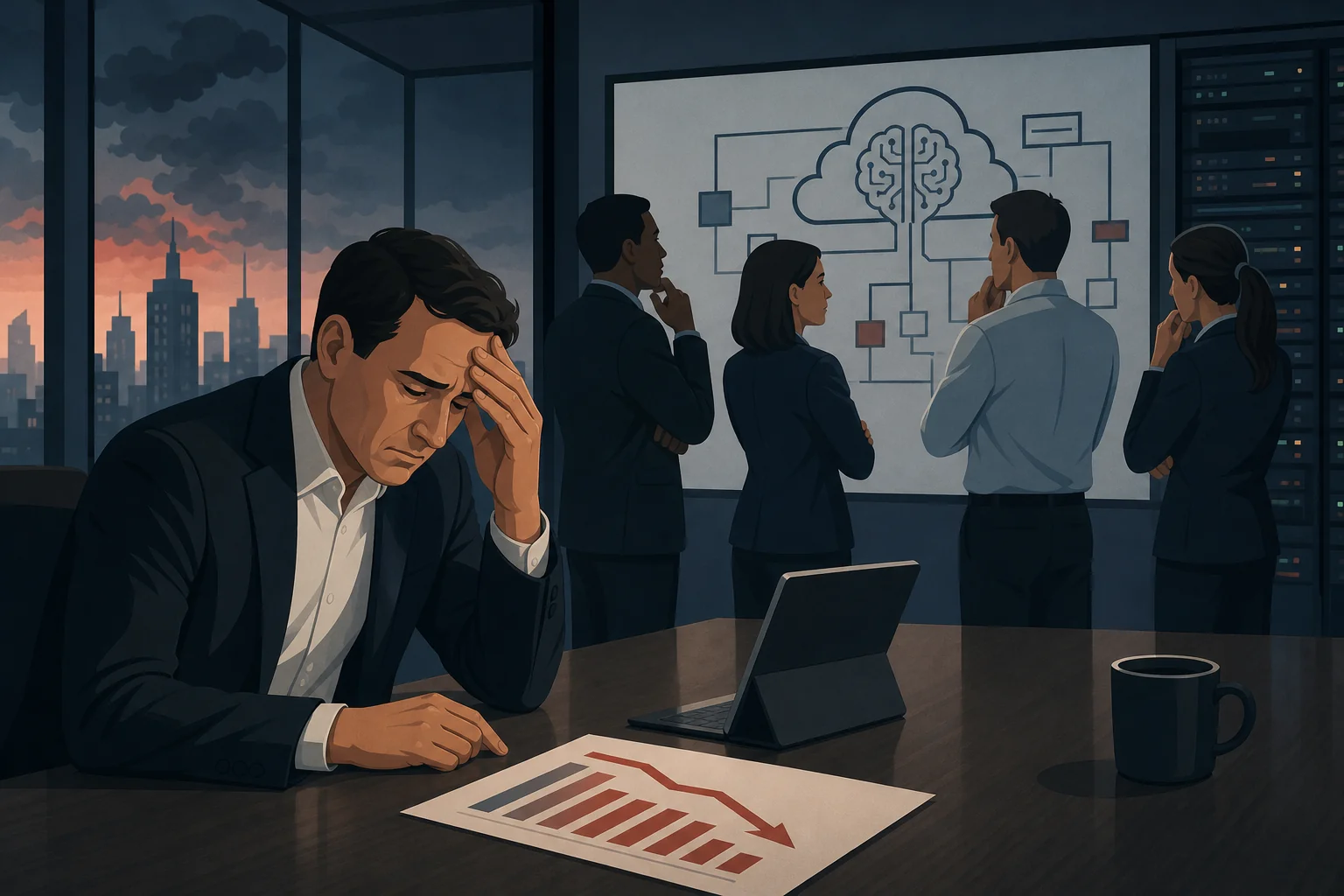
The primary constraint for enterprise adoption has migrated from raw compute availability to the integration layer where these new workbenches must reconcile with legacy security protocols. Organizations are now prioritizing the development of repeatable pipelines that can bridge the gap between experimental model outputs and reliable, production-grade software applications that meet strict compliance standards.
The convergence of these investments suggests that the next phase of AI competition will be fought on the quality of developer tooling and deployment orchestration. For enterprise architects, this means the focus must shift toward evaluating how these new workbenches manage data governance, latency, and security within existing stacks.
The reliance on proprietary, vendor-controlled environments introduces significant risks regarding long-term architectural flexibility and vendor lock-in. Leaders must scrutinize whether these new toolsets provide genuine interoperability or merely create deeper dependencies on specific cloud-native ecosystems that limit future portability.
The rapid influx of capital into frontier engineering suggests that the industry is preparing for a cycle of intense platform consolidation. Enterprise stakeholders should monitor the maturity of these agentic environments to determine if they offer the necessary stability for mission-critical operations or if they remain constrained by the current limitations of their underlying models.
Future evaluation of these tools should prioritize their ability to integrate with existing CI/CD pipelines and security protocols. The coming months will reveal whether these high-capital deployments can deliver the promised efficiency gains or if they will introduce new layers of technical debt into the enterprise stack.
The shift toward these integrated workbenches reflects a broader industry recognition that model output is only as valuable as the system’s ability to execute it reliably. Architects must now account for the overhead of managing these agentic environments as they become standard components of the modern enterprise software stack.
TAGGED
REFERENCED
- export-control protocolsanthropic.com
- GLM-5.2 architecturez.ai
RELATED INTELLIGENCE
- INFRASTRUCTURE
BSEC Proposes Unified Back-Office Architecture to Mitigate Brokerage Fraud
The Bangladesh Securities and Exchange Commission is evaluating a centralized software framework to standardize brokerage monitoring and prevent asset misappropriation.
- AI
Pegasystems Q3 2026 earnings reveal enterprise AI deployment friction
The software provider faces extended sales cycles and operational hurdles as enterprise clients struggle to integrate complex AI workflows into existing architectures.
- AI
Enterprise AI Adoption Faces Operational Friction from Variable Cost Spikes
Enterprises struggle to maintain fiscal control as autonomous agent deployments outpace existing monitoring capabilities and budget governance.