ERP
Banking Infrastructure Gaps Threaten Corporate Client Retention
Financial institutions face mounting pressure to modernize their digital service stacks as corporate clients increasingly migrate workflows to specialized fintech providers.
CATEGORY
Intelligence for the enterprise nervous system. Navigating legacy transformation, modern resource planning architectures, and the evolution of the core business stack.
12 REPORTS
Financial institutions face mounting pressure to modernize their digital service stacks as corporate clients increasingly migrate workflows to specialized fintech providers.
The integration of direct payment execution into cloud ERP environments challenges traditional banking portal dependencies for enterprise financial operations.
The French dairy cooperative has consolidated its Canadian subsidiary onto a unified SAP platform to streamline international supply chain management.
The local authority remains unable to finalize its financial accounts as historical data corruption from an Oracle ERP implementation continues to obstruct audit verification.
Analysts identify five European software incumbents positioned to leverage open-weight AI models while maintaining core enterprise stability.
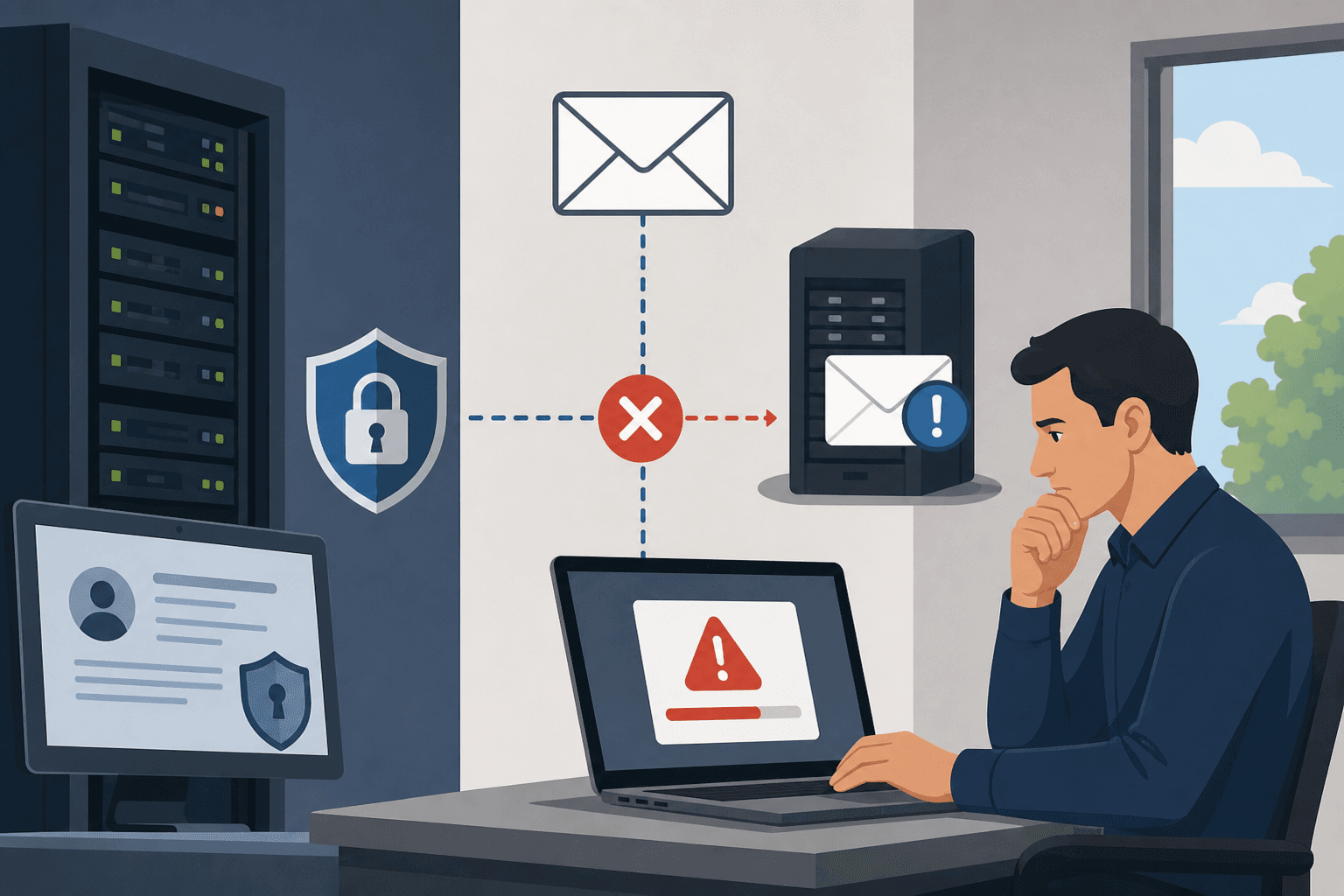
Enterprise architects face SMTP handshake failures when implementing OAuth 2.0 within SAP Business One 10.0, requiring deeper inspection of TLS and token configurations.
New federal and subnational tax mandates require immediate reconfiguration of enterprise resource planning systems to avoid automated invoice rejection.
A new technical partnership embeds real-time regulatory compliance tracking directly into SAP Ariba, automating Local Content reporting for enterprises in Saudi Arabia.
Strategic restructuring requires aligning organizational architecture, talent, and capital allocation to drive long-term growth in volatile economic environments.
The TTD is partnering with the ICAI to replace legacy accounting systems with a centralized ERP platform to improve fiscal oversight and audit integrity.