SAP Business One OAuth 2.0 Configuration Challenges in FP 2508
Enterprise architects face SMTP handshake failures when implementing OAuth 2.0 within SAP Business One 10.0, requiring deeper inspection of TLS and token configurations.
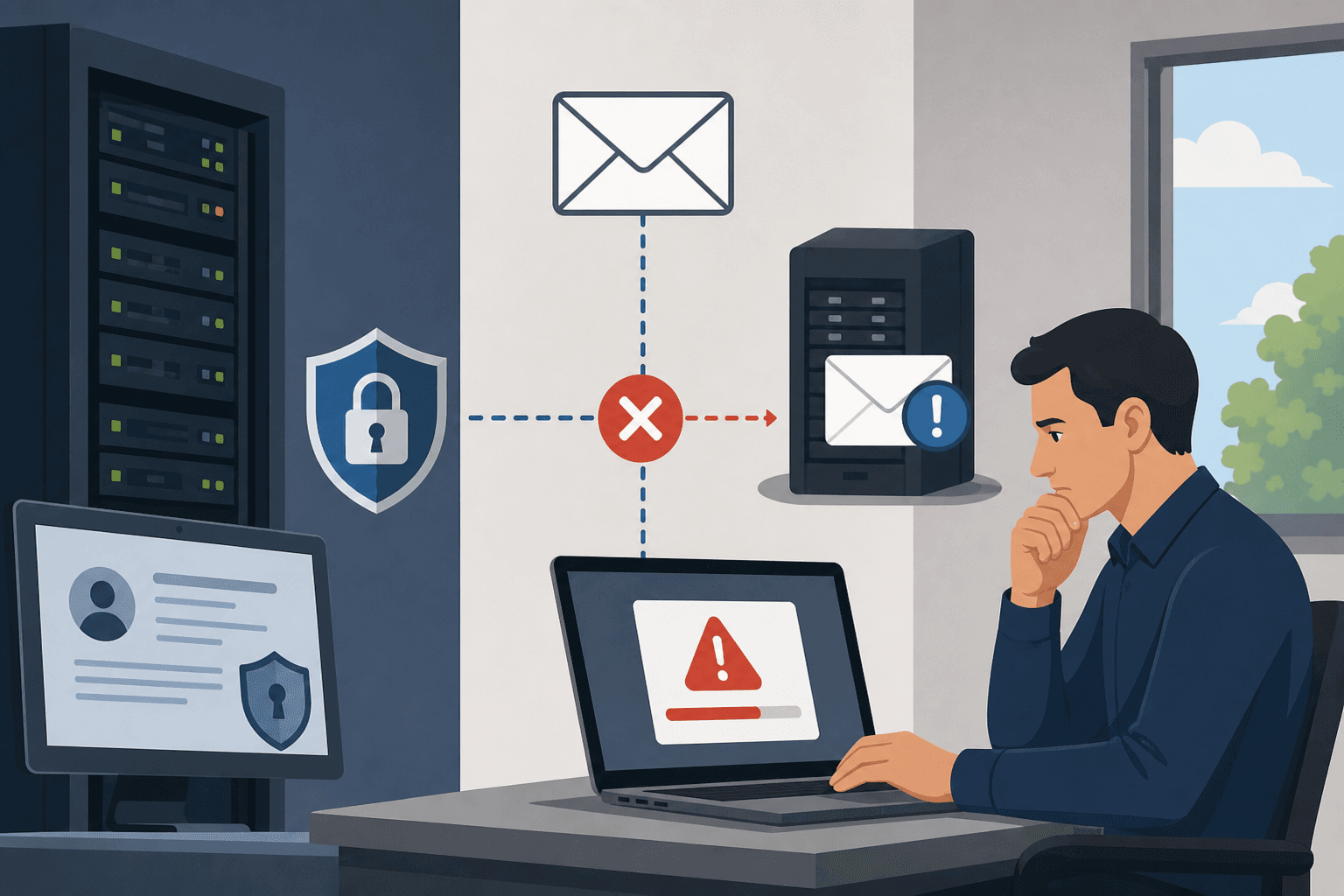
Enterprise architects managing SAP Business One 10.0 Feature Pack 2508 are reporting persistent failures in email transmission despite successful initial validation of OAuth 2.0 credentials. The issue manifests as a STARTTLS error during the SMTP handshake process, effectively halting outbound communication flows within the ERP environment.
The configuration process requires synchronization between the System Landscape Directory and the individual SAP client instances. As reported in the SAP community forums, technical contributor Bernard noted that while the System Landscape Directory test successfully validates the connection, the application layer fails to execute the subsequent mail dispatch protocol. This discrepancy suggests a potential breakdown in how the client-side module interprets the security handshake requirements established by the centralized directory settings.
The implementation utilizes the Delegate method for OAuth 2.0, a specific authorization flow designed to handle delegated access without exposing primary credentials. This method relies on precise token exchange and scope permissions that must align perfectly between the mail provider and the SAP application server. Discrepancies in the expected security handshake often trigger the observed STARTTLS error, which indicates that the mail server is demanding an encrypted connection that the client is failing to negotiate correctly.
System administrators must verify that the underlying transport security policies are consistent across both the server and the client configuration. The transition from legacy authentication protocols to modern OAuth 2.0 frameworks frequently exposes underlying infrastructure constraints, particularly regarding certificate validation and TLS version compatibility. If the client environment does not explicitly support the specific encryption requirements requested by the mail service provider, the handshake will terminate prematurely.
Diagnostic efforts should focus on the specific error logs generated during the failed SMTP attempt. According to SAP technical documentation, administrators should examine whether the server is rejecting the connection due to an unsupported cipher suite or an expired security certificate. Verifying that the SAP client is configured to use TLS 1.2 or higher is a critical step, as many modern mail providers have deprecated support for older, less secure versions of the protocol.
The complexity of managing these authentication tokens within an ERP stack necessitates a granular audit of the integration logs. Administrators should determine if the issue stems from an expired token, a scope mismatch, or an unsupported encryption cipher. Relying solely on the success of the initial System Landscape Directory test is insufficient for diagnosing runtime transmission failures, as the directory test may not fully simulate the production-level SMTP handshake.
Technical teams should prioritize a review of the OAuth 2.0 token refresh cycle and the associated service account permissions. If the delegated access token lacks the necessary scopes for sending mail on behalf of the user, the SMTP server will reject the connection request. This often occurs when the application configuration is updated without a corresponding update to the permissions granted within the external mail provider’s management console.
The reliance on the Delegate method underscores the importance of maintaining strict alignment between the identity provider and the ERP application. When these systems fall out of sync, the resulting communication failure can disrupt critical business processes, such as automated reporting and document distribution. These failures specifically delay the transmission of invoices and purchase orders, creating significant bottlenecks in downstream supply chain and financial operations. Ensuring that the OAuth 2.0 implementation is consistent requires continuous monitoring of the token lifecycle and the security policies governing external SMTP connections.
Future stability will depend on the alignment of security protocols between the SAP application and the mail service provider. Organizations should monitor upcoming service pack releases for potential patches that address these specific handshake vulnerabilities. Establishing a clear troubleshooting protocol for OAuth 2.0 failures will remain a priority for enterprise architects as they move away from legacy authentication methods.
TAGGED
REFERENCED
- SAP technical documentationhelp.sap.com
RELATED INTELLIGENCE
- ERP
Banking Infrastructure Gaps Threaten Corporate Client Retention
Financial institutions face mounting pressure to modernize their digital service stacks as corporate clients increasingly migrate workflows to specialized fintech providers.
- ERP
SAP Embeds Payment Execution to Decentralize Corporate Treasury Workflows
The integration of direct payment execution into cloud ERP environments challenges traditional banking portal dependencies for enterprise financial operations.
- ERP
Sodiaal Standardizes Global ERP Operations on SAP via Accenture Integration
The French dairy cooperative has consolidated its Canadian subsidiary onto a unified SAP platform to streamline international supply chain management.