Witchbox Deploys AI-Driven Posture Analytics to Replace Legacy Hardware
Witchbox is transitioning posture assessment from high-cost hardware to mobile-based software, targeting global fitness and rehabilitation markets.
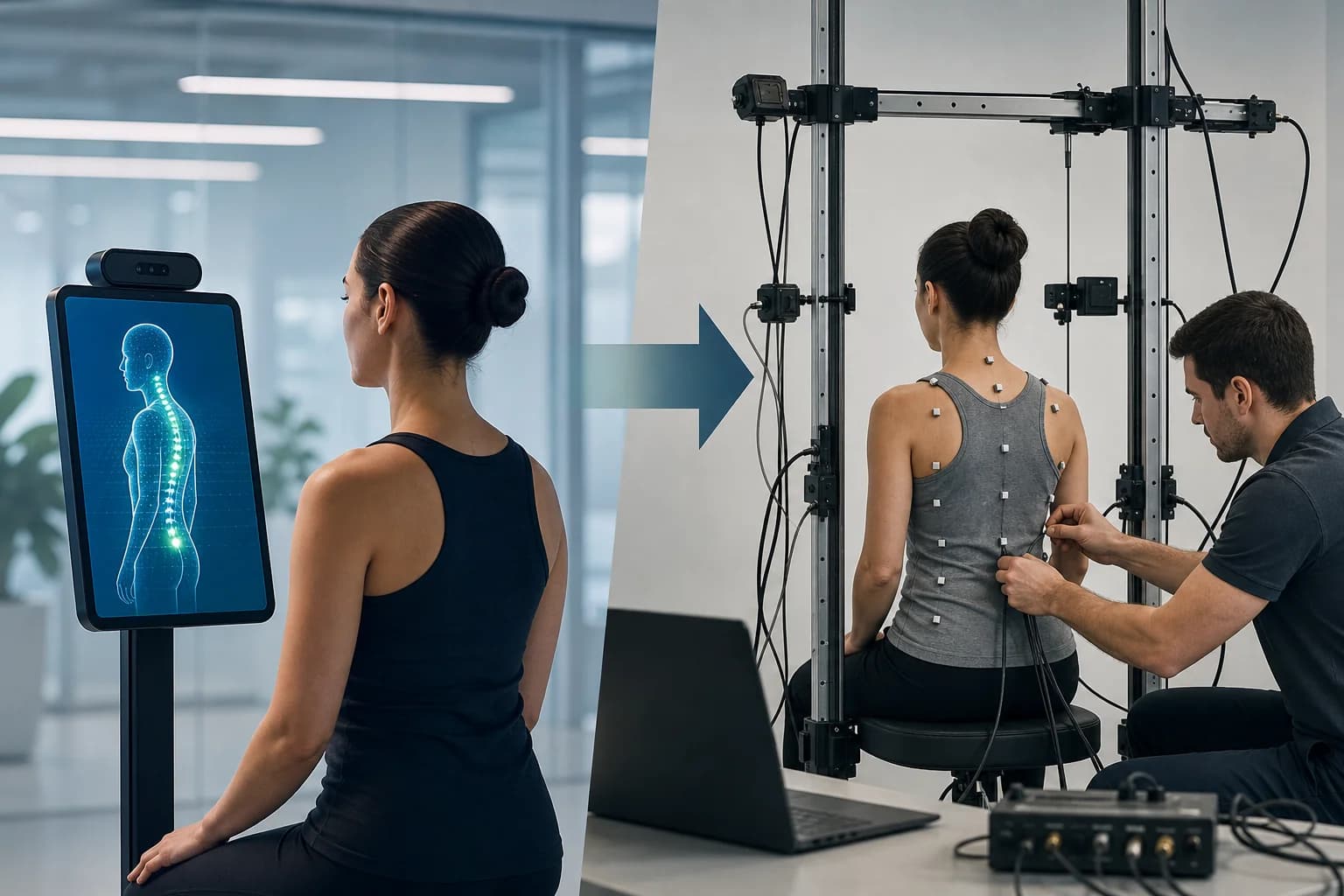
Witchbox has launched iPosture Pro, a software-defined posture assessment platform designed to replace expensive, specialized diagnostic hardware in fitness and rehabilitation environments. The system utilizes mobile device cameras to perform three-dimensional body alignment analysis, effectively lowering the barrier to entry for small-scale studios that previously faced capital expenditures of up to KRW 50 million for traditional equipment.
The platform architecture relies on a proprietary AI model trained on over seven years of clinical data compiled by physical therapists. By processing front-facing imagery, the system identifies anatomical landmarks and calculates joint range of motion without requiring specialized lighting or high-end imaging sensors. This approach prioritizes accessibility, allowing the software to function on standard smartphones and tablets while maintaining clinical-grade diagnostic utility.
Data integration remains a core component of the platform’s utility, as it bridges external biomechanical data with internal physiological metrics. By ingesting data from InBody composition hardware, the system generates a unified profile for each user. This hybrid dataset enables the platform to provide automated, personalized rehabilitation exercise programs via a large language model, reducing the manual administrative burden on instructors.
Beyond diagnostic capabilities, the platform functions as an integrated operational suite for fitness facilities. It incorporates customer relationship management tools, session tracking, and digital documentation features into a single workflow. These modules are intended to assist operators in monitoring client retention metrics and identifying potential churn, providing a quantitative basis for business management decisions.
According to a recent industry report by the Korea Trade-Investment Promotion Agency (KOTRA), the shift toward digital health platforms is accelerating as firms seek to optimize operational costs through cloud-native diagnostic tools. Witchbox has leveraged this trend by securing memorandums of understanding with educational institutions in Malaysia, Indonesia, Singapore, China, and Canada. This international push is supported by a proof-of-concept agreement with Synapse Physio Center in Malaysia, which serves as a primary reference case for the platform’s deployment in foreign markets.
Witchbox has established its development base in the Pangyo Techno Valley to leverage the region’s existing startup ecosystem for further AI development. Technical adoption is currently being tested through a phased release model, with 2,500 downloads recorded in the first two weeks of availability in South Korea. The firm intends to follow this professional-grade release with a consumer-facing version, iPosture Me, which will offer self-guided diagnostics.
Enterprise stakeholders should monitor the platform’s ability to maintain diagnostic accuracy across diverse demographic populations and varying environmental conditions. The reliance on mobile-based image processing introduces variables in lighting and camera quality that must be managed through standardized image processing algorithms that normalize input data before inference. Future scalability will depend on the platform’s success in integrating with broader regional healthcare systems and meeting varying international data compliance standards, particularly regarding the secure handling of sensitive anatomical datasets.
The shift toward software-only diagnostics represents a broader trend in digital health, where algorithmic inference replaces dedicated hardware. Leaders in the space should evaluate whether such platforms can provide sufficient clinical reliability to satisfy regulatory requirements in their respective jurisdictions. Continued monitoring of the platform’s performance in the Southeast Asian market will provide critical data on its long-term viability as a global health-tech standard.
Architectural integration remains a significant challenge for facilities attempting to bridge legacy CRM systems with new AI-driven diagnostic tools. Witchbox must ensure that its API endpoints remain compatible with existing electronic health record systems to prevent data silos. As the company expands, the ability to maintain consistent latency and data privacy protocols across cross-border deployments will determine its success in the enterprise healthcare sector. Furthermore, the platform must implement rigorous encryption standards for all transit and rest data to ensure compliance with global health information regulations, thereby mitigating risks associated with the storage of sensitive biometric information.
TAGGED
REFERENCED
- InBody composition hardwareinbodyusa.com
- Korea Trade-Investment Promotion Agency (KOTRA)pmc.ncbi.nlm.nih.gov
- Pangyo Techno Valleypangyotechnovalley.org
RELATED INTELLIGENCE
- DATA
Globe Telecom quantifies AI ROI through operational integration
Globe Telecom reports P1.2 billion in business benefits from AI initiatives, shifting focus from adoption to measurable financial outcomes.
- DATA
Automating Billing Integrity to Close Revenue Leakage Gaps
Regulatory shifts toward real-time transaction monitoring demand that enterprises move from manual audit sampling to automated, continuous billing validation.
- DATA
Modernizing Life Sciences Compliance Through Integrated Data Governance
Life sciences leaders must shift from reactive, checkbox-based compliance to a continuous, programmatic discipline to manage modern digital infrastructure risks.