Architecting Data Exchange: API Request-Response vs. Event-Driven Webhooks
Enterprise architects must balance synchronous API polling with asynchronous webhook delivery to optimize system performance and data consistency.
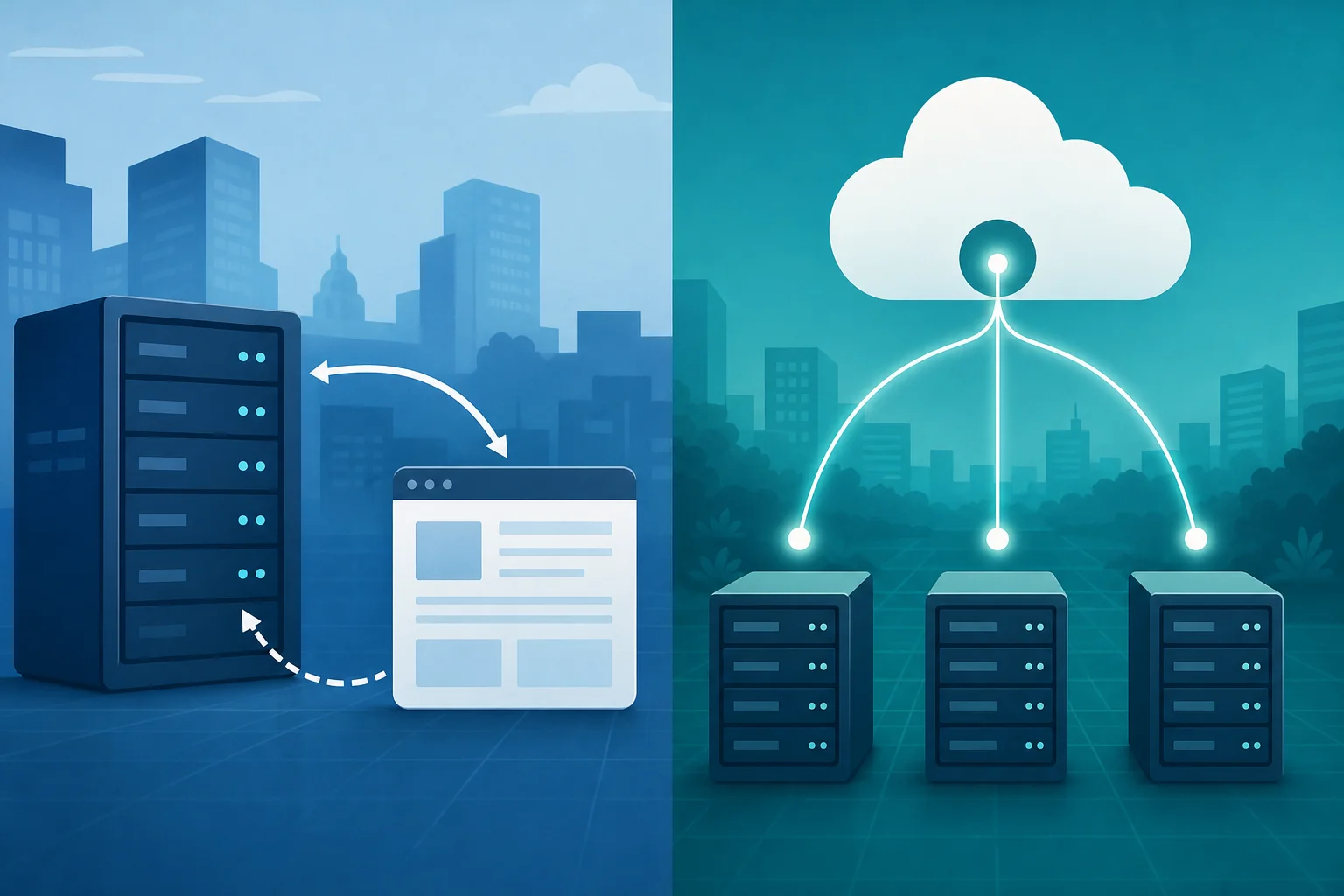
Modern enterprise architectures, such as those documented in the CNCF Cloud Native Landscape, rely on the efficient movement of data between disparate services to maintain operational consistency across the stack. While Application Programming Interfaces (APIs) and webhooks both facilitate inter-service communication, they represent fundamentally different paradigms for data orchestration that impact infrastructure performance and latency in platforms like Stripe, GitHub, or AWS.
An API operates on a request-response model, functioning as a pull mechanism where a client initiates a call to a server to retrieve or modify data. This synchronous pattern provides developers with granular control over the timing and scope of data requests through standard HTTP methods like GET, POST, PUT, and DELETE. The primary architectural constraint arises when real-time updates are required, forcing developers to implement polling mechanisms that repeatedly query the server for changes.
Polling introduces significant overhead, consuming bandwidth and processing cycles even when no state changes have occurred within the target system. This approach often leads to unnecessary server load and increased latency, which can degrade performance in high-scale environments. The reliance on frequent, redundant requests makes pure API polling an inefficient strategy for monitoring state-sensitive workflows in distributed systems.
Webhooks invert this communication flow by operating as a push-based, event-driven messenger that notifies a subscriber only when a specific event occurs. By providing an endpoint URL to a publisher, the system eliminates the need for constant polling, as the server transmits a payload directly to the receiver upon the trigger. This architecture minimizes unnecessary traffic and reduces the time-to-delivery for critical data updates to milliseconds.
Implementation of webhooks necessitates a robust approach to security and reliability, as endpoints are typically exposed to the public internet. Developers must employ HMAC signatures or shared secrets to verify the authenticity of incoming payloads and prevent unauthorized data injection. Furthermore, the asynchronous nature of webhooks requires the implementation of idempotency keys to manage potential duplicate deliveries and ensure data integrity during retry cycles.
Enterprise architects often deploy a hybrid model to optimize performance, utilizing webhooks for real-time notifications while reserving APIs for complex, state-heavy queries. This combination allows systems to remain responsive to state changes without sacrificing the ability to perform detailed historical data analysis or manual record retrieval. The integration of these patterns ensures that infrastructure remains scalable and resource-efficient under varying load conditions.
The choice between these mechanisms is not merely a matter of preference but a strategic decision regarding system reliability and resource allocation. Organizations must evaluate the trade-offs between the synchronous predictability of APIs and the asynchronous efficiency of webhooks to ensure their data pipelines remain resilient. Monitoring the frequency of event triggers and the cost of polling cycles will remain a critical metric for platform engineers tasked with optimizing backend throughput.
Failure modes in distributed systems often stem from poor handling of these communication patterns, such as cascading failures during high-volume webhook bursts or database exhaustion from excessive API polling. Architects must implement circuit breakers and rate limiting to mitigate these risks, ensuring that a single failing service does not compromise the entire data pipeline. These safeguards are essential for maintaining the stability of complex, multi-service environments where data integrity is non-negotiable.
Future architectural reviews should focus on the maturity of event-driven patterns and the potential for increased complexity in error handling. As systems grow in scale, the ability to manage asynchronous state synchronization will become a primary indicator of overall infrastructure health and operational maturity. Leaders should prioritize observability tools that can track both the latency of API requests and the delivery success rates of webhook events to maintain a clear view of system performance.
TAGGED
REFERENCED
- HTTP methodsdeveloper.mozilla.org
- idempotency keysdocs.stripe.com
- circuit breakersmartinfowler.com
RELATED INTELLIGENCE
- INFRASTRUCTURE
AWS Scales FSx for Lustre Metadata Throughput for Intensive HPC Workloads
The cloud provider has increased metadata I/O capacity for its Intelligent-Tiering storage class, addressing a common bottleneck for large-scale research and machine learning environments.
- INFRASTRUCTURE
Architectural Shifts in Sovereign AI Deployment
Enterprises are moving beyond public cloud reliance to secure AI workloads, necessitating a fundamental redesign of infrastructure, observability, and deployment pipelines.
- INFRASTRUCTURE
Architectural Deficiencies in CMS Platforms Impacting Search Indexing
Enterprise CMS platforms frequently lack native SEO controls, forcing technical teams into unsustainable manual workarounds and reliance on insecure third-party plugins.