Independent Pharmaceutical Migrates Core ERP Workloads to Specialized Hub Platform
The transition to a purpose-built pharmaceutical supply chain platform signals a shift toward domain-specific enterprise architecture to manage complex regulatory requirements.
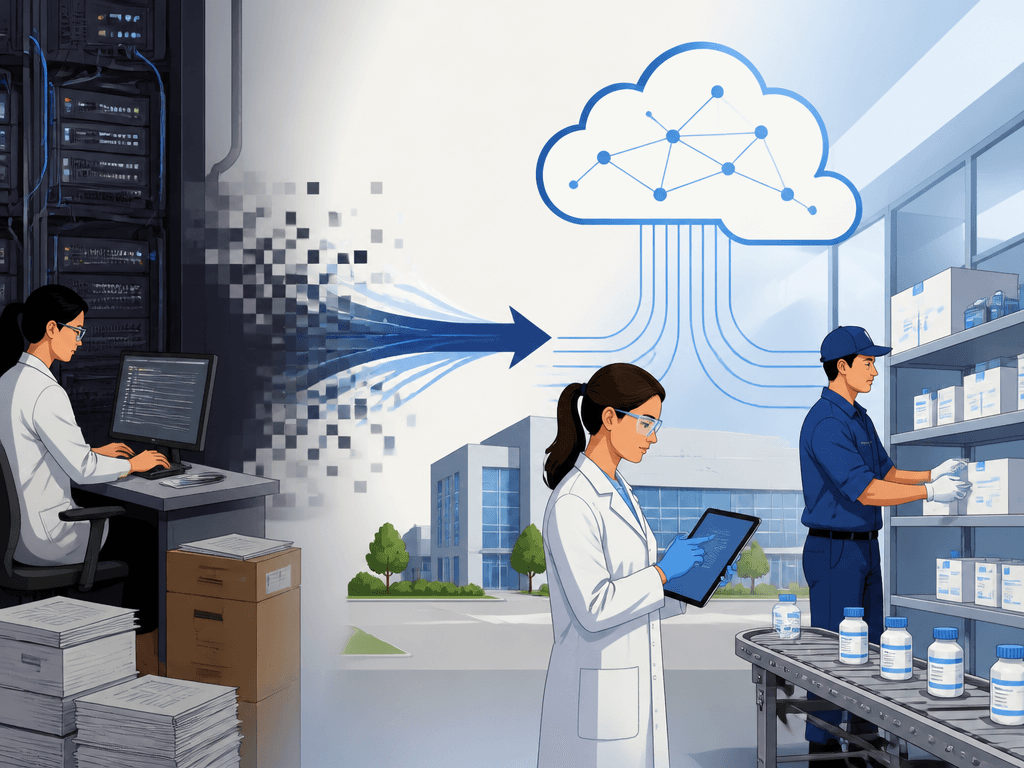
Independent Pharmaceutical LLC has initiated a full-scale migration of its enterprise resource planning operations to the Hub platform developed by RxERP, signaling a strategic move toward specialized supply chain infrastructure. This transition, announced on May 26, 2026, replaces legacy systems with a purpose-built environment designed to handle the specific technical requirements of pharmaceutical distribution.
The RxERP Hub platform functions as a centralized orchestration layer for inventory management, serialization, and regulatory compliance workflows. By moving these functions into a unified system, Independent Pharmaceutical aims to consolidate data silos that frequently complicate pharmaceutical logistics. The platform architecture prioritizes the integration of serialization data, which remains a critical requirement for maintaining traceability throughout the supply chain.
Technical leaders at Independent Pharmaceutical selected the Hub platform to address the operational burden of managing complex compliance reporting within a standard ERP environment. Standard enterprise systems often require extensive customization to meet the rigorous reporting standards mandated by pharmaceutical regulators. This purpose-built approach seeks to reduce the technical debt associated with maintaining bespoke modifications to generic software suites.
The integration process involves mapping existing data structures into the RxERP schema, a task that requires precise handling of historical inventory records and supply chain telemetry. Data integrity during this migration phase is paramount, as any disruption to inventory visibility could impact downstream distribution capabilities. The project team is focusing on the synchronization of real-time data flows to ensure that serialization records remain accurate throughout the cutover period.
Operational efficiency serves as the primary driver for this architectural shift, particularly regarding the automation of compliance reporting. By embedding regulatory logic directly into the ERP core, the organization expects to streamline audit readiness and reduce the manual labor currently required for documentation. This shift reflects a broader trend among wholesale distributors to move away from monolithic, general-purpose ERP systems toward infrastructure that understands the specific constraints of their industry.
The deployment of the Hub platform also addresses the need for improved inventory visibility across multiple distribution nodes. By centralizing the data model, Independent Pharmaceutical gains a more granular view of stock levels and movement patterns, which is essential for optimizing replenishment cycles. This level of visibility is difficult to achieve when inventory data is fragmented across disparate legacy databases and disconnected reporting tools.
Data migration teams are currently navigating the complexities of legacy system extraction, ensuring that historical serialization logs and batch tracking information are correctly ingested into the new environment. This process requires rigorous validation to satisfy the Drug Supply Chain Security Act requirements, which mandate precise tracking of pharmaceutical products at the unit level. Any failure to maintain this data continuity could result in significant regulatory exposure for the distributor during future audits.
Architectural decisions regarding this migration highlight the trade-offs between vendor-specific platforms and the flexibility of custom-built solutions. While the Hub platform offers pre-configured modules for pharmaceutical compliance, it also introduces a degree of vendor dependency that must be managed through robust data governance policies. The organization must ensure that its internal data remains portable and accessible, even as it relies on the specialized functionality provided by the RxERP ecosystem.
Security posture remains a critical component of this transition, as the platform must protect sensitive supply chain data and ensure the integrity of serialization records. The implementation includes protocols for managing access controls and audit trails, which are essential for maintaining compliance with industry standards. Technical teams are prioritizing the hardening of the integration points between the Hub platform and existing enterprise systems to mitigate potential vulnerabilities.
This architectural shift underscores the limitations of traditional ERP implementations in highly regulated sectors where compliance is not merely an add-on but a core functional requirement. By offloading these specialized tasks to a platform designed for the pharmaceutical domain, Independent Pharmaceutical reduces the risk of compliance drift that often occurs when regulatory updates are applied to generic software. The move allows internal IT teams to focus on core business logic rather than the constant maintenance of regulatory reporting modules.
The reliance on a specialized hub also suggests a change in how the organization views its technical stack, moving toward a modular architecture where specific business functions are handled by best-of-breed platforms. This approach can improve agility by allowing the company to swap out or upgrade specific components without disrupting the entire enterprise ecosystem. However, it also requires a sophisticated integration strategy to ensure that data flows between the Hub platform and other corporate systems remain consistent and secure.
The integration strategy must account for the latency inherent in distributed systems, particularly when synchronizing data between the new Hub and existing warehouse management systems. Architects are implementing asynchronous messaging queues to manage these data exchanges, ensuring that the system remains responsive even during peak transaction volumes. This technical rigor is necessary to prevent bottlenecks that could otherwise impede the flow of goods through the distribution network.
The success of this transition will depend on the ability of the RxERP platform to scale alongside the growing data requirements of the pharmaceutical supply chain. As the volume of serialization data increases, the underlying compute and storage infrastructure must remain performant to avoid latency in critical reporting tasks. System architects are monitoring the platform’s response times and data processing capabilities to ensure they meet the demands of high-throughput distribution environments.
Enterprise leaders should monitor the long-term impact of this migration on the organization’s total cost of ownership and operational agility. Future milestones will include the full decommissioning of legacy systems and the optimization of workflows enabled by the new platform’s feature set. The industry will likely watch these developments to determine if domain-specific ERP platforms provide a sustainable path for managing the increasing complexities of regulated supply chain operations.
TAGGED
RELATED INTELLIGENCE
- ERP
Banking Infrastructure Gaps Threaten Corporate Client Retention
Financial institutions face mounting pressure to modernize their digital service stacks as corporate clients increasingly migrate workflows to specialized fintech providers.
- ERP
SAP Embeds Payment Execution to Decentralize Corporate Treasury Workflows
The integration of direct payment execution into cloud ERP environments challenges traditional banking portal dependencies for enterprise financial operations.
- ERP
Sodiaal Standardizes Global ERP Operations on SAP via Accenture Integration
The French dairy cooperative has consolidated its Canadian subsidiary onto a unified SAP platform to streamline international supply chain management.