DXC Technology Restructures Consulting Delivery Leadership to Scale AI Integration
The firm appoints a new global head of delivery to unify operations and accelerate the transition toward AI-native software engineering across its enterprise portfolio.
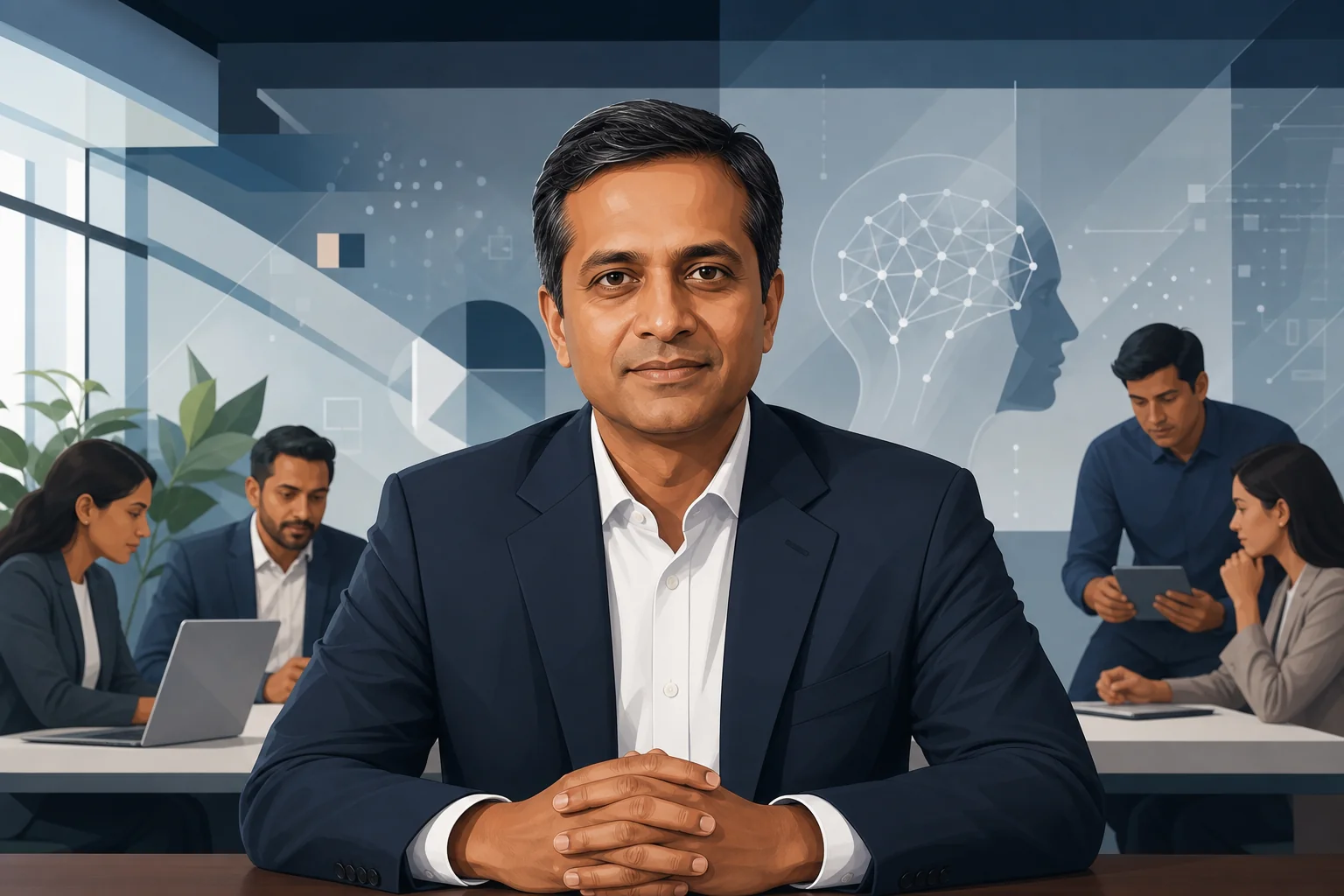
DXC Technology has appointed Arun Melkote as the new Global Head of Delivery for Consulting & Engineering Services, a move designed to consolidate the company’s global delivery operations under a unified leadership structure. According to the official announcement published by CXOToday, this transition places Melkote in charge of the firm’s entire delivery portfolio, including the management of Global Capability Centers and the execution of custom application service lines.
As the primary executive for the Indian market, Melkote will oversee the integration of AI-native software engineering practices across the company’s broader service offerings. His mandate involves aligning the firm’s global delivery capabilities with its internal innovation initiatives, specifically those managed by the LabX research and development team. This centralization aims to address the operational challenges of moving artificial intelligence projects from experimental pilots to production-grade enterprise environments.
Ramnath Venkataraman, President of Consulting & Engineering Services at DXC Technology, noted that the firm is prioritizing speed and execution as clients demand more reliable outcomes from their digital transformation investments. The company’s strategy focuses on using global delivery as a differentiator to manage the complexities of application modernization at scale. By streamlining the leadership hierarchy, DXC intends to reduce friction between its strategic consulting teams and the technical execution units responsible for software delivery.
Melkote brings three decades of industry experience to the role, including a tenure as CEO of Quinnox and previous leadership positions at Wipro. His background in scaling global delivery organizations is expected to influence how DXC manages its workforce agility and technical resource allocation. The appointment underscores a broader trend among large-scale service providers to align their regional hubs more closely with global AI-native development standards.
Kartik Iyer has also been elevated to lead the firm’s Customer Value Centers, Workforce Transformation, and Strategic Programs. This secondary leadership change is intended to support the operational requirements of the Consulting & Engineering Services division by ensuring that workforce scaling keeps pace with client demand. These structural adjustments reflect a deliberate attempt to standardize delivery methodologies across the firm’s global footprint.
The shift toward an AI-native delivery model introduces significant requirements for technical governance and architectural consistency across distributed teams. Integrating AI into legacy environments often creates friction due to technical debt, data silos, and the need for specialized infrastructure that older systems were not designed to support. Enterprise architects should monitor whether this consolidation results in improved latency in project deployment or if it introduces new bottlenecks in regional decision-making processes.
The success of this strategy will depend on the firm’s ability to maintain high-quality engineering standards while scaling its AI-native software development processes across disparate client environments. Managing the transition from monolithic legacy applications to modular, AI-driven architectures requires a level of operational rigor that often challenges traditional service delivery models. Leaders must evaluate if the new structure provides the necessary oversight to mitigate risks associated with rapid deployment and automated code generation.
Leadership changes of this nature often precede shifts in how service providers approach vendor lock-in and technical debt management for their clients. Organizations utilizing DXC for large-scale infrastructure or software projects should evaluate how these new management structures impact their specific service-level agreements and long-term technical roadmaps. The focus on AI-native engineering suggests that future engagements will likely prioritize automated development workflows and modernized application architectures over legacy maintenance models.
Future milestones for the firm include the integration of these new leadership roles with existing LabX innovation pipelines. Stakeholders should track the development of new service capabilities that emerge from this centralized delivery structure to determine if they align with current enterprise security and compliance requirements. Monitoring the transition of existing client portfolios to this new delivery framework will provide insight into the firm’s operational maturity regarding large-scale AI deployment.
TAGGED
RELATED INTELLIGENCE
- INFRASTRUCTURE
BSEC Proposes Unified Back-Office Architecture to Mitigate Brokerage Fraud
The Bangladesh Securities and Exchange Commission is evaluating a centralized software framework to standardize brokerage monitoring and prevent asset misappropriation.
- INFRASTRUCTURE
Legrand Integrates Karman AI to Optimize Data Center Power Distribution
The partnership aims to reclaim stranded power capacity in high-density AI environments through edge-based intelligence.
- INFRASTRUCTURE
AI Infrastructure Choices Define Cost Attribution Limits
Enterprise architectural decisions regarding managed versus self-hosted compute environments determine the feasibility of granular AI cost governance.