Microsoft Azure API Management Introduces Dedicated AI Gateway Tier
Microsoft has launched a dedicated AI Gateway tier for Azure API Management, shifting control planes toward models and MCP tools to improve enterprise governance.
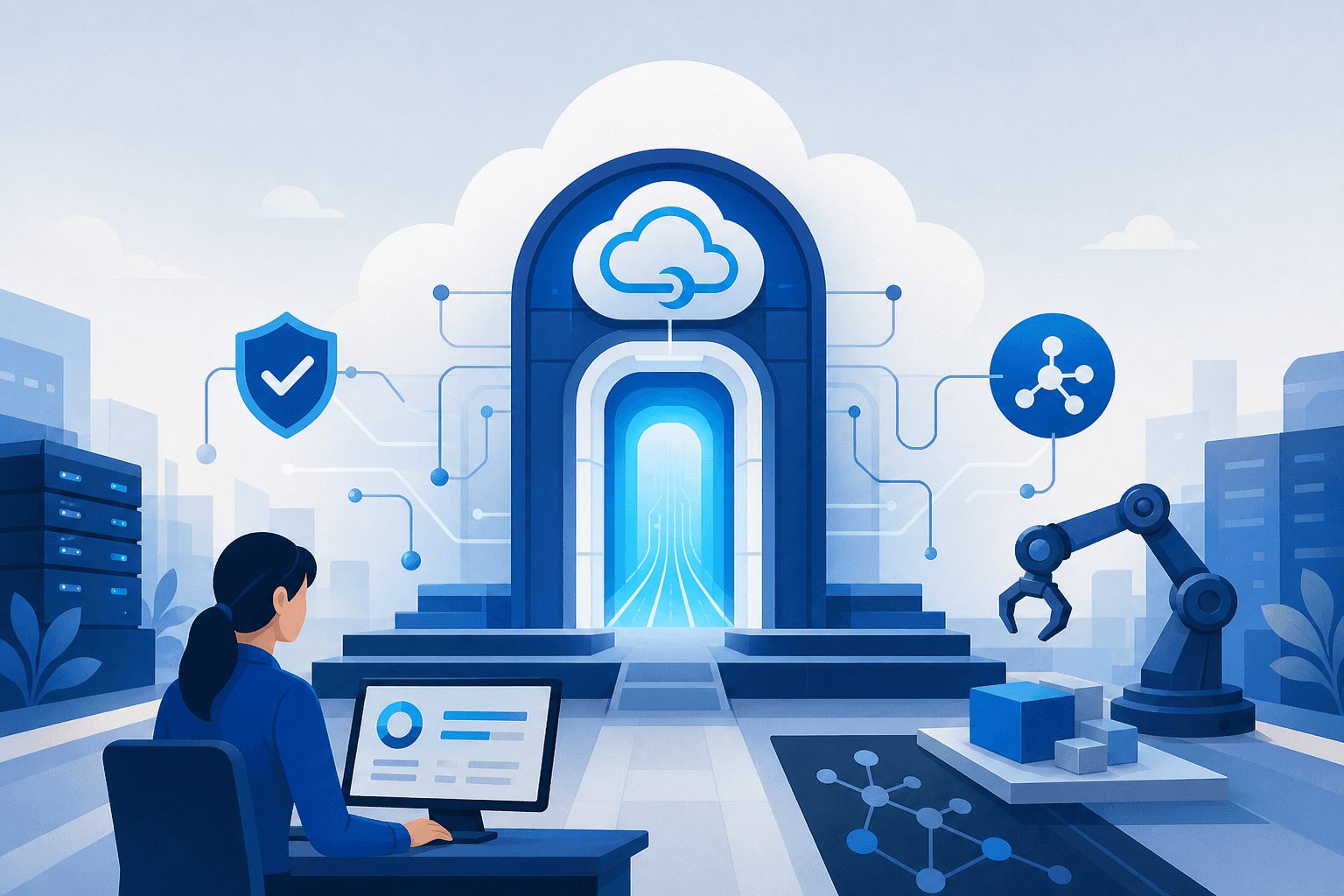
Microsoft has released a dedicated AI Gateway tier of Azure API Management in public preview, marking a strategic shift in how enterprises govern artificial intelligence assets. According to official Microsoft documentation, the resource moves away from traditional API-based control planes to prioritize models, Model Context Protocol servers, and specialized tools as primary objects of management.
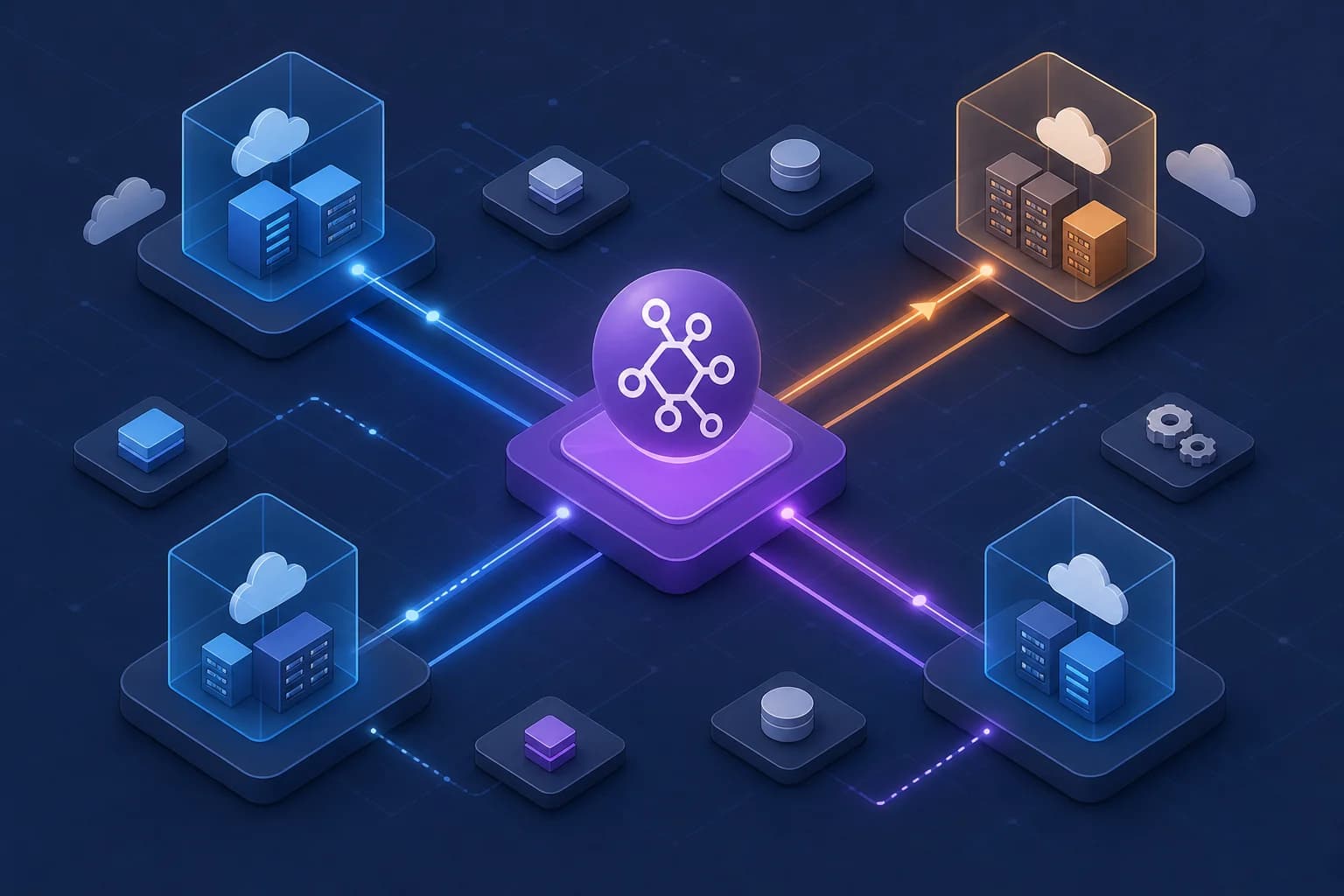
The new tier operates as a distinct resource rather than an incremental policy layer atop existing infrastructure. It centralizes access to models hosted on Azure AI Foundry, AWS Bedrock, Google Vertex AI, and direct OpenAI integrations. By utilizing a unified endpoint path, the gateway routes traffic based on specific model names, simplifying the management of heterogeneous provider environments.
Configuration moves from traditional XML and expression-based logic to a card-based interface within the portal. These controls manage essential operational parameters, including token limits, request quotas, content safety protocols, and automated model fallback mechanisms. Provisioning occurs rapidly, bypassing the need for complex scale unit planning while integrating directly into the customer’s existing Entra tenant and subscription.
The gateway serves as a federation point for backends, supporting remote MCP servers, OpenAPI specifications, and built-in connectors for over one thousand SaaS applications. Authentication methods are configurable per backend, allowing teams to select between API keys, OAuth 2.0, or managed identities. This architecture aims to decouple central platform governance from team-level self-service workflows.
Platform teams retain authority over the publication of approved models and tools, while application developers utilize these assets within a test console. This model intends to reduce the friction of routing every configuration change through a central bottleneck. Telemetry is exported via OpenTelemetry to standard observability platforms like Application Insights, Datadog, and Grafana.
The platform group maintains guardrails and visibility into usage patterns without requiring manual intervention for every deployment. This separation of duties allows for a more scalable operating model in large organizations where central IT must balance security with developer velocity. The system effectively treats AI models as first-class citizens within the enterprise stack.
Architects have noted the potential for improved cost governance, as centralizing traffic allows for more effective rate limiting and spend tracking. Paolo Perrone, who writes the AI Engineer newsletter on production AI systems, highlighted this as a significant improvement over per-application patching. He argued that centralizing these controls provides a single control plane rather than fragmented, application-specific patches.
Adolph White Jr., an enterprise AI systems architect, raised questions regarding the distinction between traffic management and full-lifecycle agent governance. He noted that the industry lacks clarity on whether the gateway should manage the state of incomplete agent runs or if that responsibility belongs to the orchestration layer. This ambiguity complicates the implementation of robust audit trails for complex AI workflows.
Sreenivasulu Kandakuru, who works in data and AI at Aer Lingus, suggested that while the tier is a necessary addition, Microsoft faces stiff competition from AWS and Databricks. He noted that the Unity AI Gateway, announced at the Data + AI Summit in June, already provides similar governance for models and agents. These competing offerings indicate a broader industry trend toward consolidating AI infrastructure management.
The current implementation also presents potential security trade-offs regarding access control. Runtime access keys are scoped to the entire gateway rather than individual products, creating a larger blast radius than many existing API Management configurations. Organizations accustomed to using subscriptions to isolate consumer access will need to evaluate this change in their security posture.
The preview status carries operational risks, as the service currently lacks a formal service level agreement and remains subject to change. Pricing models are not yet finalized, leaving the long-term cost-governance benefits difficult to quantify. The relationship between this new tier and existing AI capabilities in the Standard and Premium versions remains poorly defined for teams already invested in the platform.
Enterprise leaders should monitor the evolution of these governance boundaries as the service moves toward general availability. Future developments regarding coexistence with existing API Management deployments and the refinement of runtime key scoping will determine the viability of this tier for high-compliance environments.
TAGGED
REFERENCED
- AI Engineer newslettersubstack.com
- Data + AI Summitdatabricks.com
RELATED INTELLIGENCE
- CLOUD
AWS Rebuilds EventBridge Architecture with Enhanced Custom Event Buses
The new EventBridge architecture addresses long-standing technical debt by introducing native cross-account routing and refined subscriber management.
- CLOUD
Oracle Analyst Sentiment Diverges Amid Cloud Infrastructure Expansion
Recent shifts in brokerage price targets reflect complex market reactions to Oracle’s evolving enterprise cloud and database strategy.
- CLOUD
Modernizing Enterprise Case Management Through Unified Data Architecture
Senior architect Rajarshi Krishna Muppaneni details the shift toward integrated digital ecosystems to eliminate operational silos and improve regulatory compliance.