Modernizing Enterprise Case Management Through Unified Data Architecture
Senior architect Rajarshi Krishna Muppaneni details the shift toward integrated digital ecosystems to eliminate operational silos and improve regulatory compliance.

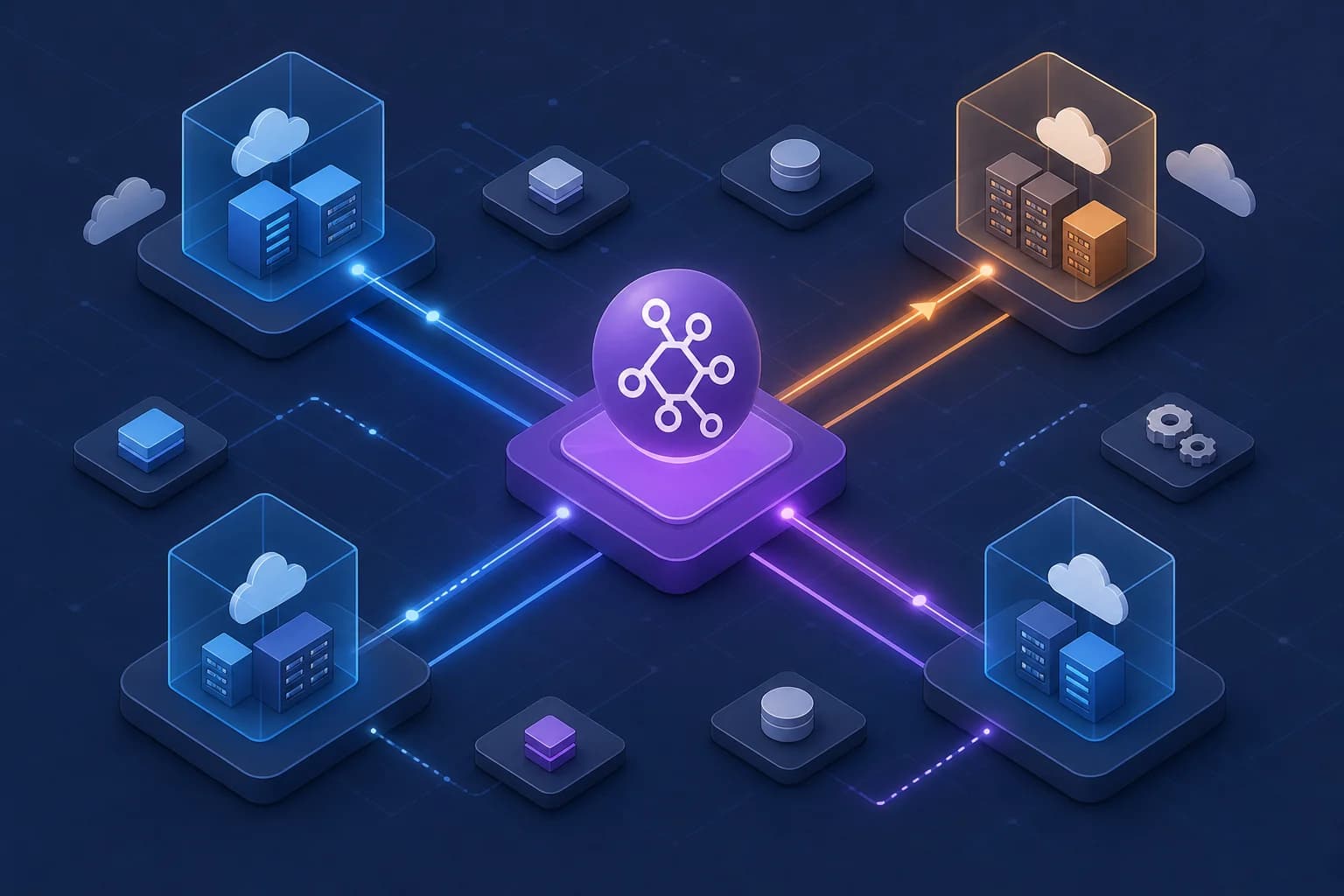
Enterprise case management platforms are undergoing a structural transition as organizations move to unify disconnected data silos into a single, governed operational ecosystem. According to the report published by FinancialContent on September 11, 2026, the integration of customer relationship management systems with automated workflow engines is now the primary mechanism for maintaining operational continuity in regulated sectors.
Rajarshi Krishna Muppaneni, a senior enterprise solutions architect, has spent over fourteen years refining the architectural patterns required to bridge the gap between legacy on-premises applications and modern cloud-based environments. His work focuses on the technical implementation of low-code development frameworks that allow for the rapid deployment of standardized business rules across global user communities. By replacing manual email-based approval chains with structured, automated logic, these systems reduce the latency inherent in traditional case handling.
The technical strategy employed in these transformations involves the deployment of custom workflow engines that sit atop existing data services using RESTful APIs and secure middleware connectors. These engines facilitate the automated generation of documents, which significantly minimizes the manual processing effort previously required by administrative staff. By embedding regulatory tracking directly into the application layer, organizations ensure that compliance requirements are met without requiring additional manual oversight or redundant data entry.
Data governance remains a critical constraint in these modernization initiatives, particularly when migrating large-scale datasets from legacy CRM environments into centralized cloud repositories. Muppaneni utilizes identity and access management protocols to secure information flow between departments, ensuring that sensitive data remains protected during the transition to cloud-native infrastructure. This architectural approach emphasizes the importance of centralized data services in preventing the duplication of customer records across disparate applications.
The implementation of enterprise-wide security models is another core component of these modernization efforts. By designing multi-region engagement platforms, architects can reduce infrastructure management overhead while simultaneously improving the performance of global business applications. These deployments rely on standardized engineering practices and reusable solution frameworks, which allow for more efficient technical knowledge transfer and long-term maintenance of the enterprise stack.
Operational silos often emerge when individual departments adopt isolated software systems that lack interoperability. According to the FinancialContent analysis, the failure to connect these systems leads to significant technical debt, as employees are forced to manually re-enter data between incompatible platforms. The shift toward a unified digital operating model is therefore not merely a software upgrade but a fundamental change in how information is orchestrated across the enterprise.
The significance of this architectural shift lies in the ability to maintain a consistent state of data across the entire lifecycle of a business case. When systems are properly integrated, executive decision-making becomes more accurate because it is based on a single, verified source of truth rather than fragmented reports. This level of visibility is essential for organizations operating in highly regulated environments, such as financial services and insurance, where data integrity is a legal requirement.
Stakeholders should consider the long-term impact of these integrated platforms on their total cost of ownership and infrastructure agility. While the initial investment in cloud modernization and data integration is substantial, the reduction in manual processing and the improvement in operational visibility provide a measurable return on investment. Leaders must evaluate whether their current application architectures can support the necessary scale for future digital transformation phases without creating new, unintended silos.
Future watchpoints include the evolution of identity management protocols and the increasing reliance on automated document lifecycle management. Organizations should monitor how these integrated systems handle regulatory tracking as compliance standards continue to tighten globally. The ability to build resilient, adaptable digital models will likely determine which enterprises can successfully manage high-volume regulatory reporting requirements.
TAGGED
REFERENCED
- legacy on-premises applicationsijeret.org
RELATED INTELLIGENCE
- CLOUD
AWS Rebuilds EventBridge Architecture with Enhanced Custom Event Buses
The new EventBridge architecture addresses long-standing technical debt by introducing native cross-account routing and refined subscriber management.
- CLOUD
Oracle Analyst Sentiment Diverges Amid Cloud Infrastructure Expansion
Recent shifts in brokerage price targets reflect complex market reactions to Oracle’s evolving enterprise cloud and database strategy.
- CLOUD
Whatfix Leadership Transition Following Death of CEO Khadim Batti
The sudden passing of Whatfix co-founder Khadim Batti prompts an evaluation of the firm’s operational stability and future roadmap for enterprise software adoption.