Microsoft Azure Virtual Desktop Hybrid Architecture and Licensing Constraints
The general availability of Azure Virtual Desktop Hybrid introduces a split-plane management model while imposing significant licensing and operational hurdles for enterprise architects.
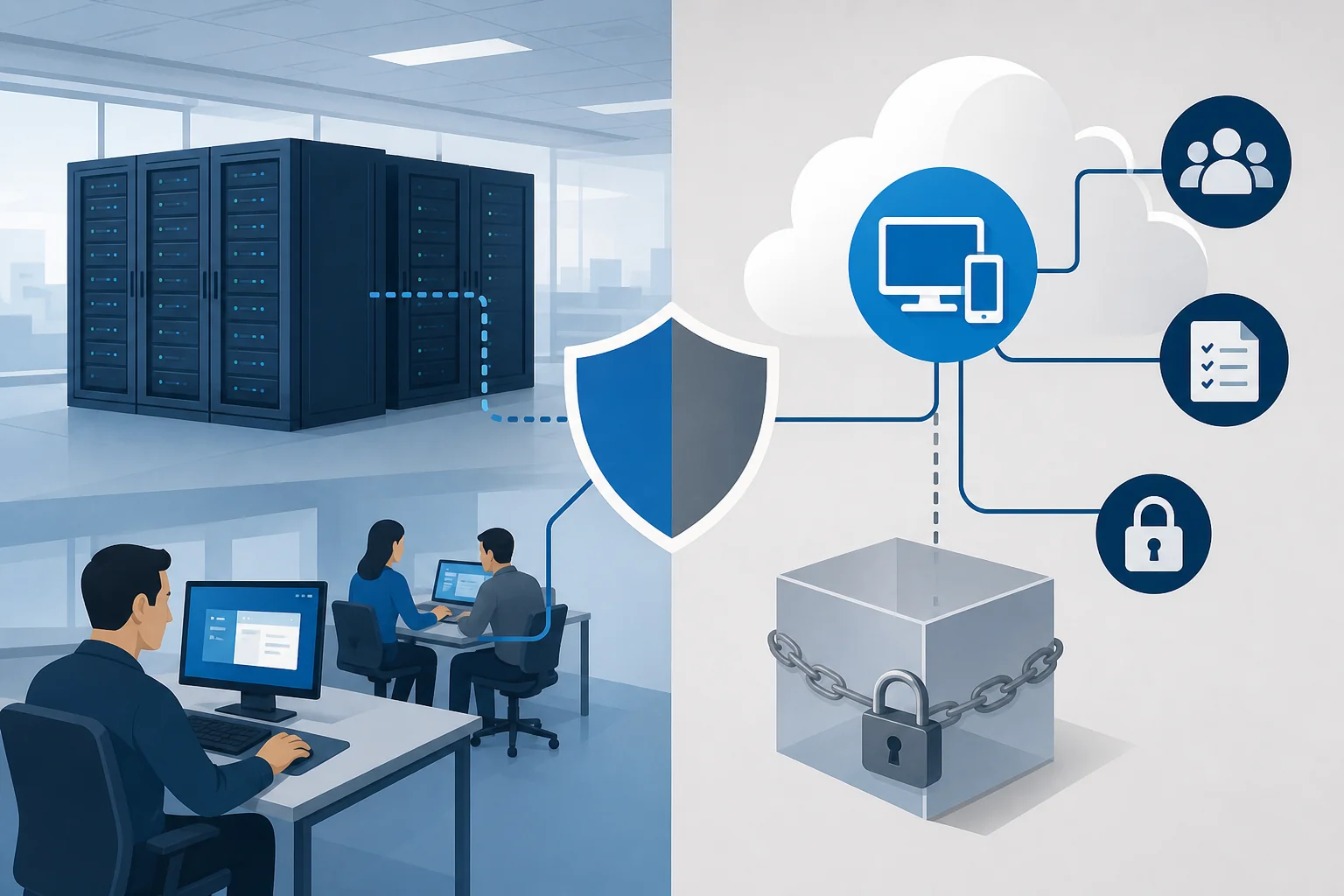
Microsoft has reached general availability for Azure Virtual Desktop Hybrid, a deployment model that offloads session host execution to on-premises hardware while maintaining control plane orchestration within the Azure ecosystem. This architecture leverages Azure Arc to bridge local hypervisors—including VMware vSphere, Nutanix AHV, and Hyper-V—with the cloud-based management service, effectively decoupling the compute layer from the brokering infrastructure.
The service requires session hosts to maintain outbound HTTPS connectivity to specific Microsoft endpoints, including login.microsoftonline.com and the virtual desktop service traffic gateway. By centralizing the authentication and connection brokering in Azure, the model aims to address data residency and compliance requirements for organizations unable to migrate entire workloads to the public cloud. Deployment is now accessible via the Azure portal, removing the previous requirement for gated access through interest forms.
Licensing remains the most significant barrier to adoption, as Microsoft has yet to finalize or publish the specific costs for the required Azure Virtual Desktop Hybrid service license. Organizations must procure this service license in addition to existing OS user entitlements, creating a complex and currently opaque financial model for prospective users. The lack of pricing transparency has drawn criticism from industry partners and MVPs who require clear cost projections to justify the transition from traditional on-premises VDI environments.
Technical constraints further limit the utility of the hybrid model, particularly regarding Windows Server support and multi-session capabilities. Microsoft mandates that any deployment using Windows Server must utilize Remote Desktop Services Client Access Licenses that include active Software Assurance. This requirement effectively disqualifies many existing enterprise deployments that lack Software Assurance or have recently invested in perpetual licenses without the associated maintenance coverage.
The absence of multi-session support for Windows 10 and 11 Enterprise represents a major departure from standard Azure Virtual Desktop cloud deployments. Because the hybrid model relies on single-session configurations for client operating systems, the hardware density requirements increase substantially compared to cloud-native multi-session environments. Organizations must account for this shift in compute overhead, which necessitates a larger footprint of on-premises hardware to support the same number of concurrent users.
Operational management is another area where the hybrid model diverges from the fully managed cloud experience. The service does not provide native support for power management, autoscale, or automated session host configuration, forcing administrators to rely on third-party tools or custom scripts. This functional gap has created an immediate dependency on the partner ecosystem, with firms like Nerdio and Login VSI stepping in to provide the operational orchestration that the native service currently lacks.
Scott Manchester, chief product and technology officer at Nerdio, frames the release as a transitionary path for organizations constrained by legacy infrastructure or rigid compliance mandates. The architecture succeeds in keeping application data local, yet it introduces a new dependency on the Azure control plane for session initiation. If the connection to the Azure-based broker is interrupted, the ability to initiate new sessions is compromised, even if the underlying local host remains functional.
Enterprise architects must weigh the benefits of centralized management against the increased complexity of maintaining a hybrid control plane. The reliance on outbound connectivity to Microsoft-managed endpoints necessitates a review of existing firewall and egress policies to ensure service stability. Without a clear pricing structure or a path toward multi-session support for client operating systems, the immediate ROI for large-scale migrations remains difficult to quantify.
The primary watchpoint for infrastructure leaders is the eventual release of the service license pricing and any potential updates to the Software Assurance requirements. Monitoring the evolution of the partner ecosystem will also be critical, as the operational burden of managing session host states locally will likely remain a significant factor in total cost of ownership calculations. Future updates to the Azure Arc extension may eventually bridge the gap in power management, but current deployments must be planned with manual or third-party orchestration in mind.
TAGGED
REFERENCED
- Azure Virtual Desktop Hybridtechcommunity.microsoft.com
- Scott Manchestergetnerdio.com
- Software Assurance requirementslearn.microsoft.com
RELATED INTELLIGENCE
- INFRASTRUCTURE
BSEC Proposes Unified Back-Office Architecture to Mitigate Brokerage Fraud
The Bangladesh Securities and Exchange Commission is evaluating a centralized software framework to standardize brokerage monitoring and prevent asset misappropriation.
- AI
Pegasystems Q3 2026 earnings reveal enterprise AI deployment friction
The software provider faces extended sales cycles and operational hurdles as enterprise clients struggle to integrate complex AI workflows into existing architectures.
- AI
Enterprise AI Adoption Faces Operational Friction from Variable Cost Spikes
Enterprises struggle to maintain fiscal control as autonomous agent deployments outpace existing monitoring capabilities and budget governance.