AI
Enterprise AI Adoption Faces Operational Friction from Variable Cost Spikes
Enterprises struggle to maintain fiscal control as autonomous agent deployments outpace existing monitoring capabilities and budget governance.
TAG
23 REPORTS
Enterprises struggle to maintain fiscal control as autonomous agent deployments outpace existing monitoring capabilities and budget governance.
Enterprise architectural decisions regarding managed versus self-hosted compute environments determine the feasibility of granular AI cost governance.
The integration of direct payment execution into cloud ERP environments challenges traditional banking portal dependencies for enterprise financial operations.
Financial institutions are moving toward agentic workflows by combining probabilistic AI reasoning with deterministic, auditable execution models.
Recent shifts in brokerage price targets reflect complex market reactions to Oracle’s evolving enterprise cloud and database strategy.
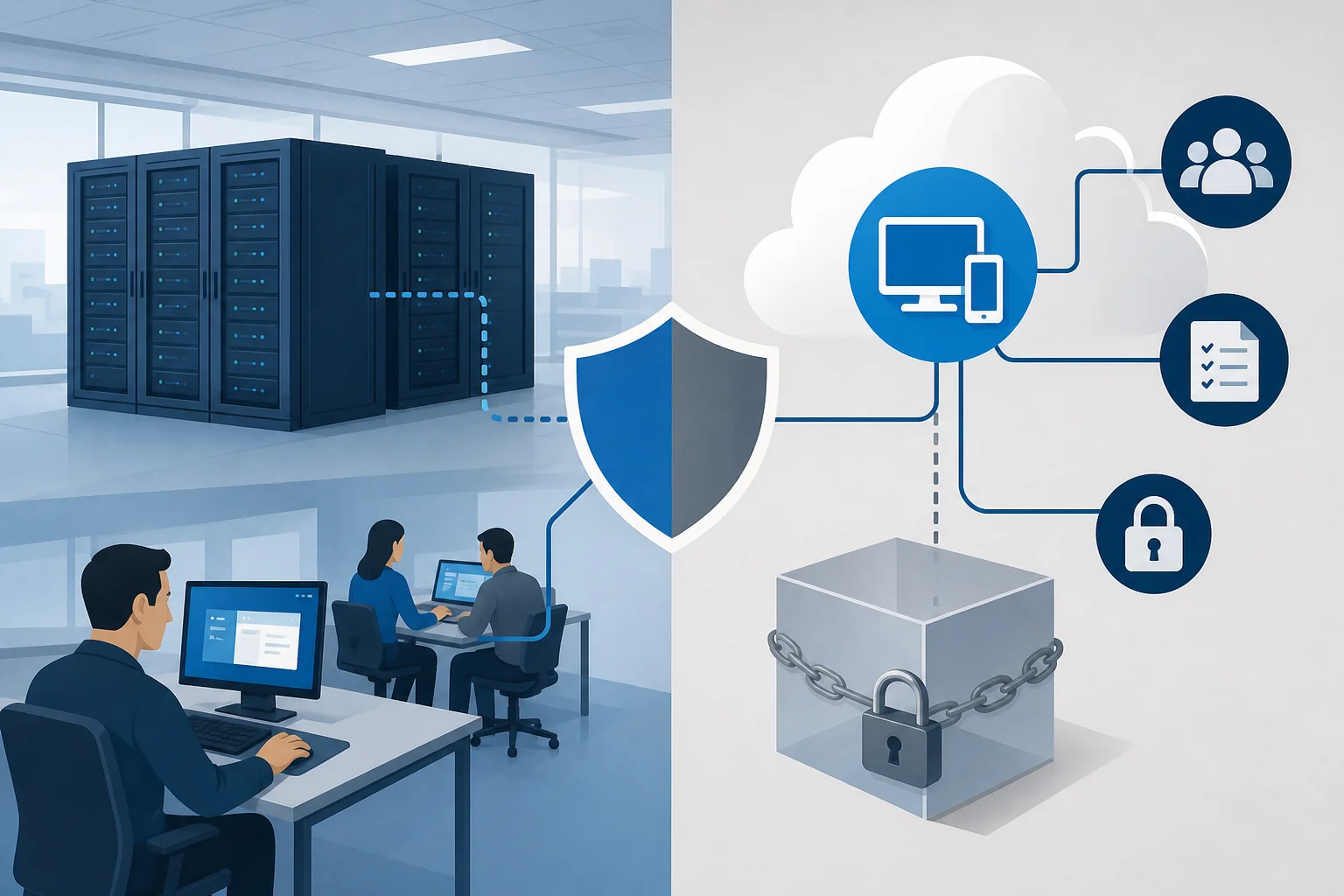
The general availability of Azure Virtual Desktop Hybrid introduces a split-plane management model while imposing significant licensing and operational hurdles for enterprise architects.
Enterprise engineering leaders must transition from unchecked AI adoption to disciplined token governance to prevent runaway infrastructure costs and technical debt.
Shifting from static service account keys to federated trust relationships reduces credential exposure and operational overhead in enterprise cloud environments.
Institutional divestment and insider selling at Oracle highlight the financial pressures of the company’s aggressive transition toward high-density AI cloud infrastructure.
Analysts identify five European software incumbents positioned to leverage open-weight AI models while maintaining core enterprise stability.