Viet Nam Logistics Sector Faces Critical Workforce Shortage Amid AI Integration
The rapid digitization of supply chains in Viet Nam requires a fundamental shift in workforce development to manage complex, AI-driven logistics architectures.
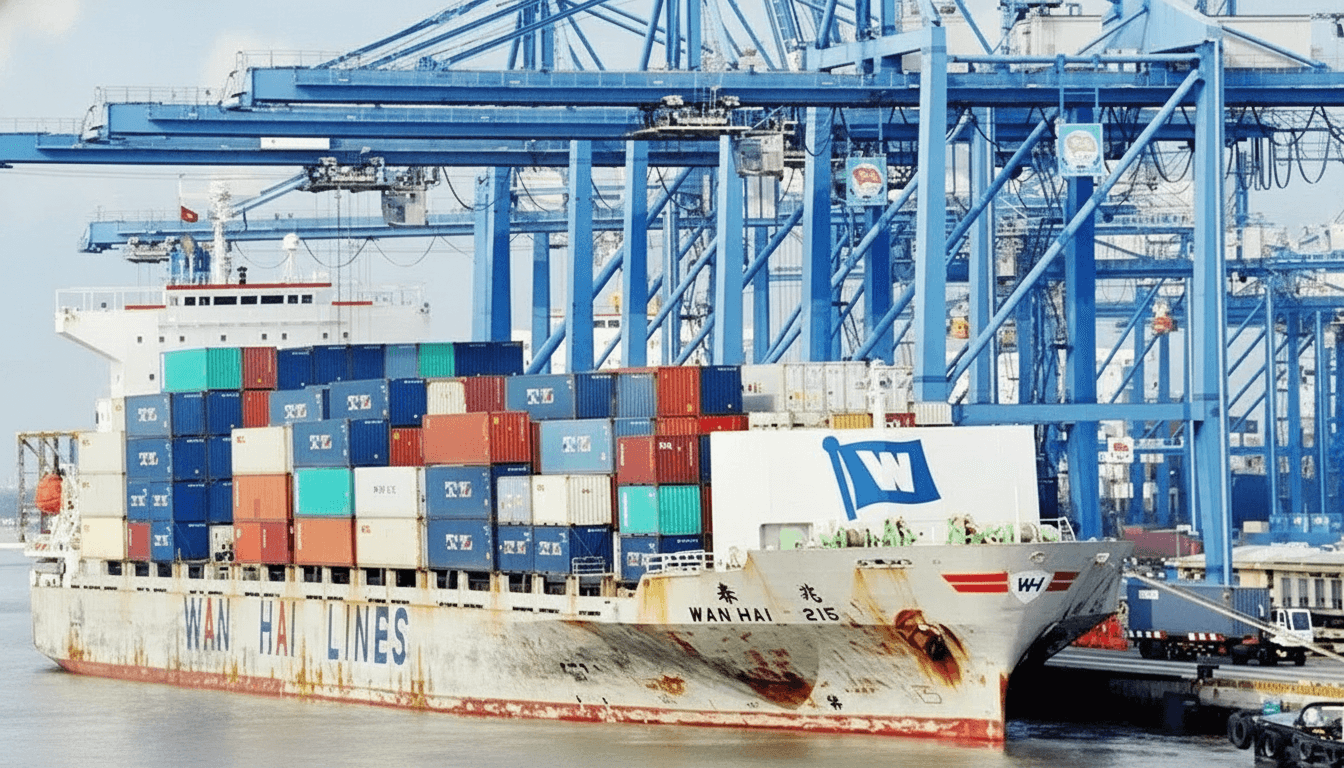
Viet Nam faces a significant labor supply-demand imbalance in its logistics sector, with projections indicating a requirement for 2.2 million workers by 2030. This expansion necessitates a transition from manual operational roles to high-skill positions capable of managing artificial intelligence, big data, and automated supply-chain architectures.
According to research from the Viet Nam Logistics Business Association, logistics service providers will account for 1.6 million of the required personnel. The remaining 600,000 workers are needed to support internal logistics operations within manufacturing and commercial enterprises.
Current educational infrastructure struggles to meet these volume requirements. Only 30 universities offer specialized logistics programs, producing approximately 3,000 graduates annually, while the college system adds fewer than 1,000 learners per year.
Hoang Dinh Kien, Chief Executive Officer of Hoa Phat Logistics Joint Stock Company, identifies a persistent disconnect between academic foundations and operational reality. He notes that while universities provide theoretical knowledge, the industry demands advanced problem-solving skills to manage variables in transportation, warehousing, and freight forwarding.
Digital transformation initiatives now incorporate Internet of Things, cloud computing, and blockchain protocols into standard operations. Nguyen Anh Duong of the Institute for Policy and Strategy Studies emphasizes that AI integration is a baseline requirement for maintaining national competitiveness rather than a discretionary upgrade.
Enterprises are increasingly automating repetitive tasks, shifting the labor focus toward decision-support roles. Personnel must now demonstrate proficiency in data analysis and the management of AI-integrated operational systems to maintain supply-chain efficiency.
Van Ha, Secretary-General of the Viet Nam Association for Logistics Manpower Development, reports that academic institutions are shifting toward practice-oriented curricula. These programs increasingly utilize enterprise resource planning software and simulation models to bridge the gap between classroom theory and real-world infrastructure.
Phan Truong An, an industrial engineering intern at Foxconn, highlights that corporate environments are essential for developing communication and technical adaptability. Early exposure to these systems allows students to integrate into professional workflows with reduced training overhead.
Technical constraints within the current infrastructure, such as legacy data silos and fragmented communication protocols, exacerbate the need for a workforce that can handle cross-platform integration. Without a concerted effort to align vocational training with the requirements of modern, cloud-based logistics platforms, the sector risks a persistent productivity bottleneck.
The integration of enterprise resource planning systems requires staff to understand the granular data flows that govern inventory and distribution. This level of technical literacy is essential for managing the high-frequency data exchanges inherent in modern supply chain management.
The shift toward digital logistics requires a fundamental re-evaluation of workforce development strategies. Leaders must prioritize the standardization of training programs, with a focus on data fluency and modern management thinking to ensure long-term operational viability.
The success of these initiatives depends on the ability of the workforce to master technological tools while maintaining oversight of complex, automated supply chains. Organizations should monitor the efficacy of current reskilling programs and the integration of AI-driven decision-support systems as primary indicators of sector maturity.
The integration of intelligent transportation systems and smart border gates further complicates the infrastructure, requiring personnel to understand both the physical movement of goods and the underlying digital logic. This dual-competency requirement represents the next major hurdle for human resource development in the region.
Future competitiveness will be determined by the ability to harmonize infrastructure improvements with a highly skilled, technology-literate labor force. Stakeholders must focus on the rapid scaling of advanced training initiatives to prevent systemic bottlenecks as digital supply chains continue to expand.
TAGGED
REFERENCED
- Viet Nam Logistics Business Associationvla.com.vn
- Hoa Phat Logistics Joint Stock Companyhoaphatlogistics.site
- Viet Nam Association for Logistics Manpower Developmentvaloma.vn
RELATED INTELLIGENCE
- INFRASTRUCTURE
BSEC Proposes Unified Back-Office Architecture to Mitigate Brokerage Fraud
The Bangladesh Securities and Exchange Commission is evaluating a centralized software framework to standardize brokerage monitoring and prevent asset misappropriation.
- INFRASTRUCTURE
Legrand Integrates Karman AI to Optimize Data Center Power Distribution
The partnership aims to reclaim stranded power capacity in high-density AI environments through edge-based intelligence.
- INFRASTRUCTURE
AI Infrastructure Choices Define Cost Attribution Limits
Enterprise architectural decisions regarding managed versus self-hosted compute environments determine the feasibility of granular AI cost governance.