Oracle Challenges Wisconsin Utility Tariff Over Data Center Financial Risk
The tech giant is contesting new financial security mandates for its Port Washington data center, arguing that stringent collateral rules threaten the viability of large-scale infrastructure projects.
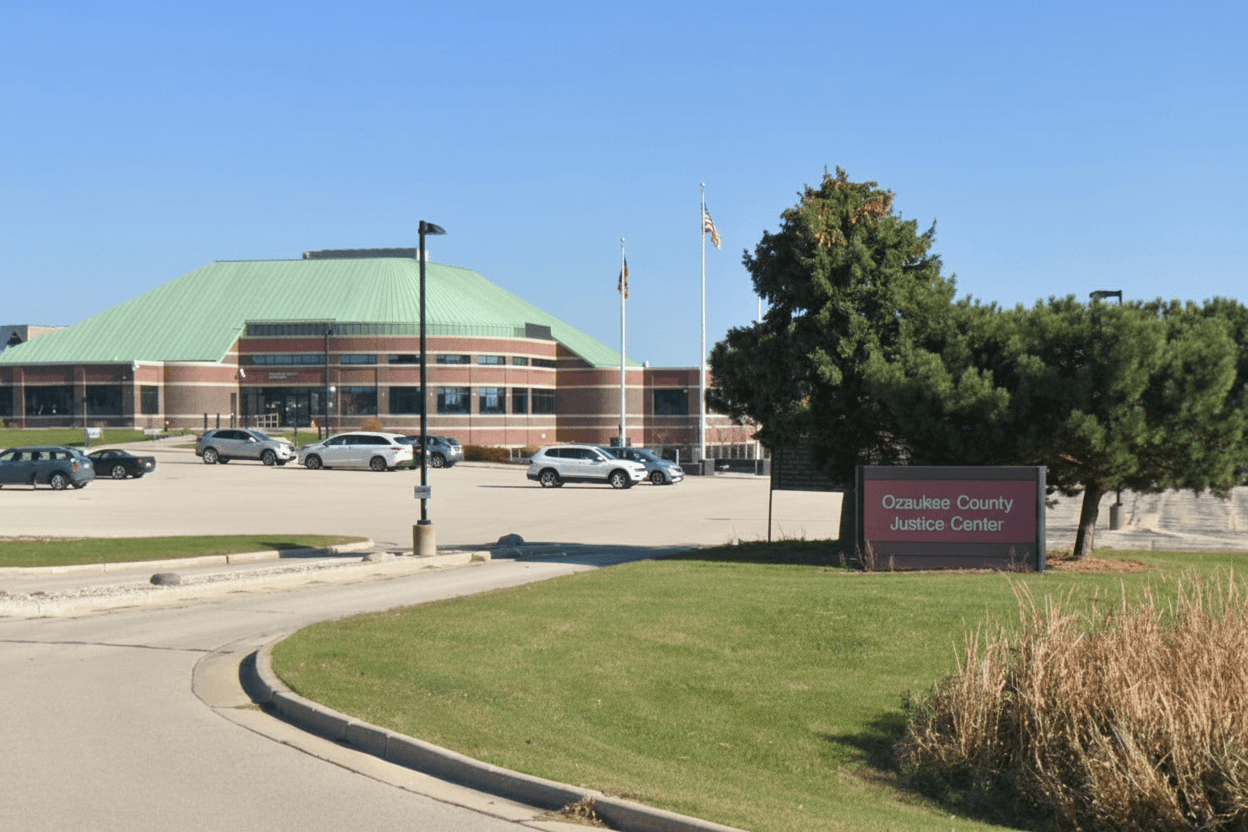
Oracle America Cloud Services has initiated legal action against the Wisconsin Public Service Commission to contest new financial security mandates governing the Port Washington data center development. The lawsuit, filed in Ozaukee County Circuit Court, seeks to overturn specific credit rating and collateral requirements that the company claims could impose hundreds of millions in additional annual operational costs.
The dispute centers on a recent decision by the commission to implement stricter tariffs for large-scale energy consumers. During an April 24 open meeting, regulators approved a framework that mandates 15-year minimum contract terms and requires data center operators to cover the full capital expenditure for new generation infrastructure. The commission explicitly designed these guardrails to prevent the socialization of financial risks among residential and small business ratepayers.
Oracle contends that the current regulatory structure creates an untenable financial burden for massive infrastructure deployments. In court filings, the company estimated that the mandated collateral could necessitate over $7 billion in letters of credit, resulting in annual bank fees exceeding $100 million. These requirements, according to the company, threaten the viability of the proposed $15 billion Vantage Lighthouse campus, which lists Oracle and OpenAI as primary tenants.
The regulatory conflict involves multiple stakeholders, including We Energies, Vantage Data Centers, and Cloverleaf Infrastructure. These entities previously petitioned the commission to reconsider the collateral thresholds and waiver processes, arguing that the stringent standards will deter large-scale investment in the state. The commission has not yet issued a final written order, leaving the current tariff status in a preliminary phase.
Oracle’s legal strategy focuses on the potential for the commission to exceed its delegated authority under state law. By targeting the specific credit rating and collateral requirements, the company aims to force a narrower interpretation of the commission’s oversight powers. The legal complaint suggests that the current rules are overly punitive and fail to account for the creditworthiness of major technology firms.
The commission’s decision to drop the eligibility threshold from 500 megawatts to 100 megawatts significantly expands the number of projects subject to these new tariffs. This shift forces a broader range of data center operators to navigate complex financial reporting requirements that were previously reserved for only the largest utility customers. The resulting administrative burden and financial exposure could fundamentally alter the cost-benefit analysis for future cloud infrastructure projects in the region.
Consumer advocacy groups, including the Citizens Utility Board and Power Wisconsin Forward, maintain that the existing protections are essential for grid stability. These organizations argue that shifting the financial liability of stranded generation assets onto the public would create significant long-term economic risk. They advocate for maintaining the current regulatory safeguards to ensure that infrastructure costs remain tied to the specific entities triggering the demand.
The technical and financial implications of this ruling extend beyond the immediate dispute between Oracle and the commission. For enterprise architects, the case highlights the growing tension between the massive power requirements of AI-driven data centers and the capacity constraints of regional utility providers. If the commission maintains its current stance, developers may face higher barriers to entry, potentially forcing a reevaluation of site selection strategies for energy-intensive computing clusters.
The legal proceedings are currently assigned to Circuit Judge Sandy Williams. Under Wisconsin Chapter 227, the court possesses the authority to set aside agency orders if they are deemed outside the scope of delegated regulatory power. Oracle has indicated a willingness to pause the litigation if the commission elects to reopen the administrative record for further deliberation.
The outcome of this case will likely establish a precedent for how utility commissions handle the integration of high-density, hyperscale data centers into regional power grids. Enterprise architects and infrastructure planners should monitor the final written order from the commission, as it will clarify the threshold for financial liability in future energy-intensive projects. The resolution of this dispute will dictate whether Wisconsin remains a competitive location for large-scale cloud and AI infrastructure investment.
TAGGED
REFERENCED
- Vantage Lighthouse campusozaukeepress.com
- Citizens Utility Boardcubwi.org
RELATED INTELLIGENCE
- INFRASTRUCTURE
BSEC Proposes Unified Back-Office Architecture to Mitigate Brokerage Fraud
The Bangladesh Securities and Exchange Commission is evaluating a centralized software framework to standardize brokerage monitoring and prevent asset misappropriation.
- INFRASTRUCTURE
Legrand Integrates Karman AI to Optimize Data Center Power Distribution
The partnership aims to reclaim stranded power capacity in high-density AI environments through edge-based intelligence.
- INFRASTRUCTURE
AI Infrastructure Choices Define Cost Attribution Limits
Enterprise architectural decisions regarding managed versus self-hosted compute environments determine the feasibility of granular AI cost governance.