Optimizing Enterprise Architecture Through Iterative Gap Analysis
Moving beyond static assessments requires integrating real-time telemetry and strict scoping to align technical debt remediation with business objectives.
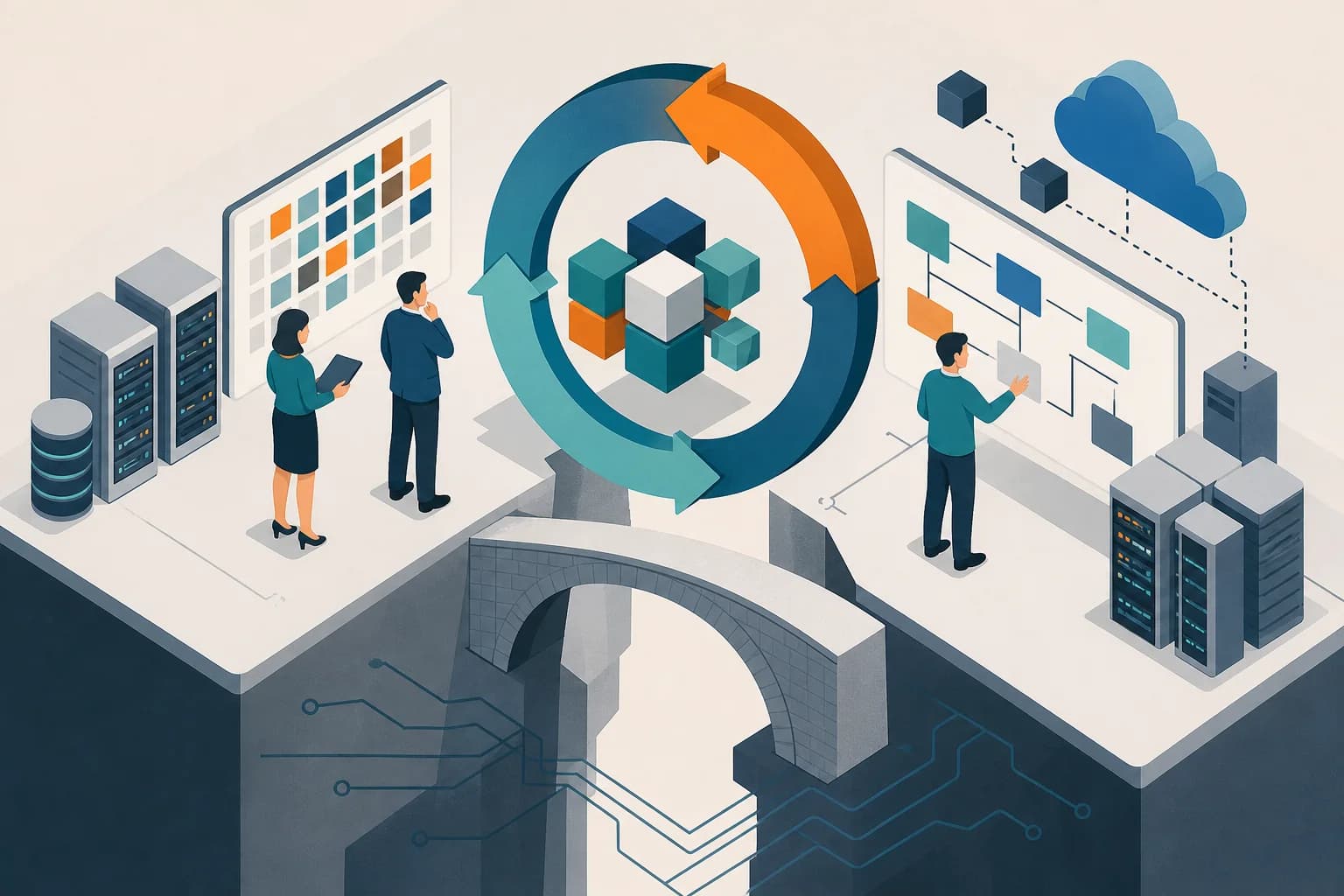
Gap analysis functions as a critical diagnostic mechanism for identifying the delta between current operational state and target architectural objectives, as detailed in recent industry benchmarks from Gartner and Forrester regarding enterprise IT governance. While the framework remains a standard for strategic alignment, its implementation often suffers from systemic inefficiencies that degrade rather than enhance organizational performance within complex environments like those utilizing AWS or Azure cloud infrastructures.
The primary failure mode in many technical environments involves the misallocation of engineering and management cycles toward exhaustive, point-in-time documentation that fails to account for rapid shifts in system architecture. When teams prioritize comprehensive data collection over iterative execution, they incur significant opportunity costs that delay product development and infrastructure optimization, effectively stalling the deployment of critical security patches or performance enhancements.
Resource constraints in lean environments necessitate a shift in how these assessments are scoped and executed, moving away from broad, non-specific audits toward targeted technical reviews. Effective analysis requires strict boundary definitions that isolate growth-critical bottlenecks, such as latency issues, technical debt accumulation in legacy codebases, or misaligned CI/CD pipelines, rather than attempting to audit the entire stack simultaneously.
External consulting engagements frequently exacerbate these friction points by introducing methodologies that lack alignment with specific internal operational realities or proprietary tech stacks. When external support is utilized, it must be restricted to narrow, time-bound deliverables while internal leadership retains full ownership of interpretation and prioritization to prevent architectural drift and ensure that the findings remain actionable within the existing DevOps workflow.
Human bias remains a persistent risk factor, particularly when internal teams are tasked with auditing their own domains, a phenomenon often documented in internal audit reports regarding software development life cycles. Cultural pressures often lead to the omission of critical weaknesses, resulting in a distorted view of the system that reinforces existing, potentially flawed, technical assumptions about system resilience or data integrity.
Anonymous feedback mechanisms and cross-functional data integration serve as structural safeguards against the dominance of a single narrative, ensuring that the assessment reflects the actual state of the infrastructure. By pulling telemetry from disparate sources—including observability platforms like Datadog or New Relic—organizations can force a more objective assessment of reality that transcends the limitations of subjective reporting.
The static nature of traditional gap analysis is incompatible with the velocity required in modern development cycles, where infrastructure-as-code deployments occur multiple times per day. A report generated at the beginning of a quarter may be rendered obsolete by shifts in competitive dynamics or changes in the underlying technology stack, necessitating a move toward continuous improvement loops that mirror the agility of the systems being analyzed.
Analysis paralysis often manifests when the volume of identified gaps exceeds the organization’s capacity to remediate them, creating a backlog that hampers engineering productivity. Prioritization frameworks must be applied rigorously, filtering potential actions through metrics of impact, urgency, and resource requirement to ensure that only the most critical technical impediments—such as those threatening system uptime or compliance posture—are addressed.
SMART goals provide the necessary precision to transform abstract objectives into actionable engineering tasks, moving beyond generic improvement targets toward quantifiable outcomes. By defining specific, measurable, and time-bound targets, architects can ensure that the gap between the current state and the desired state remains quantifiable and subject to objective validation through automated testing suites.
Integrating real-time KPI tracking into the diagnostic process allows for a transition from periodic reports to always-on monitoring of the enterprise stack. When metrics like system throughput, error rates, and deployment frequency are continuously observed, the gap analysis process becomes a byproduct of existing operational visibility rather than an isolated, resource-draining event that disrupts the development rhythm.
AI-driven analysis is beginning to augment this process by reducing human bias and identifying patterns in large datasets that might otherwise remain obscured, such as anomalous traffic patterns or inefficient resource utilization. These tools enable faster interpretation of performance metrics, allowing teams to pivot their strategy in response to emerging technical constraints before they escalate into systemic failures that impact the end-user experience.
Leaders should monitor the efficacy of their current diagnostic cycles by evaluating the conversion rate of identified gaps into completed remediation projects within their Jira or similar project management systems. Future efforts should focus on automating the data collection layer to ensure that the gap analysis process remains a lightweight, high-signal component of the broader architectural strategy, ensuring long-term stability and scalability.
TAGGED
REFERENCED
- observability platforms like Datadogdatadoghq.com
- project management systemsatlassian.com
RELATED INTELLIGENCE
- DEVOPS
GitLab 19.4 Integrates Agentic Governance into CI/CD Pipelines
The latest GitLab release introduces terminal-based goal delegation and multi-model support to balance autonomous software development with enterprise security and cost controls.
- DEVOPS
Automating Kubernetes Security Governance with Kubescape
Kubescape provides a systematic approach to auditing containerized environments by integrating security policy enforcement directly into the CI/CD pipeline.
- DEVOPS
Expedia Deploys Deterministic AI for Observability and Incident Response
Expedia Group has integrated an internal AI-assisted observability platform to streamline incident investigation through deterministic workflows and structured telemetry analysis.