DEVOPS
Optimizing Enterprise Architecture Through Iterative Gap Analysis
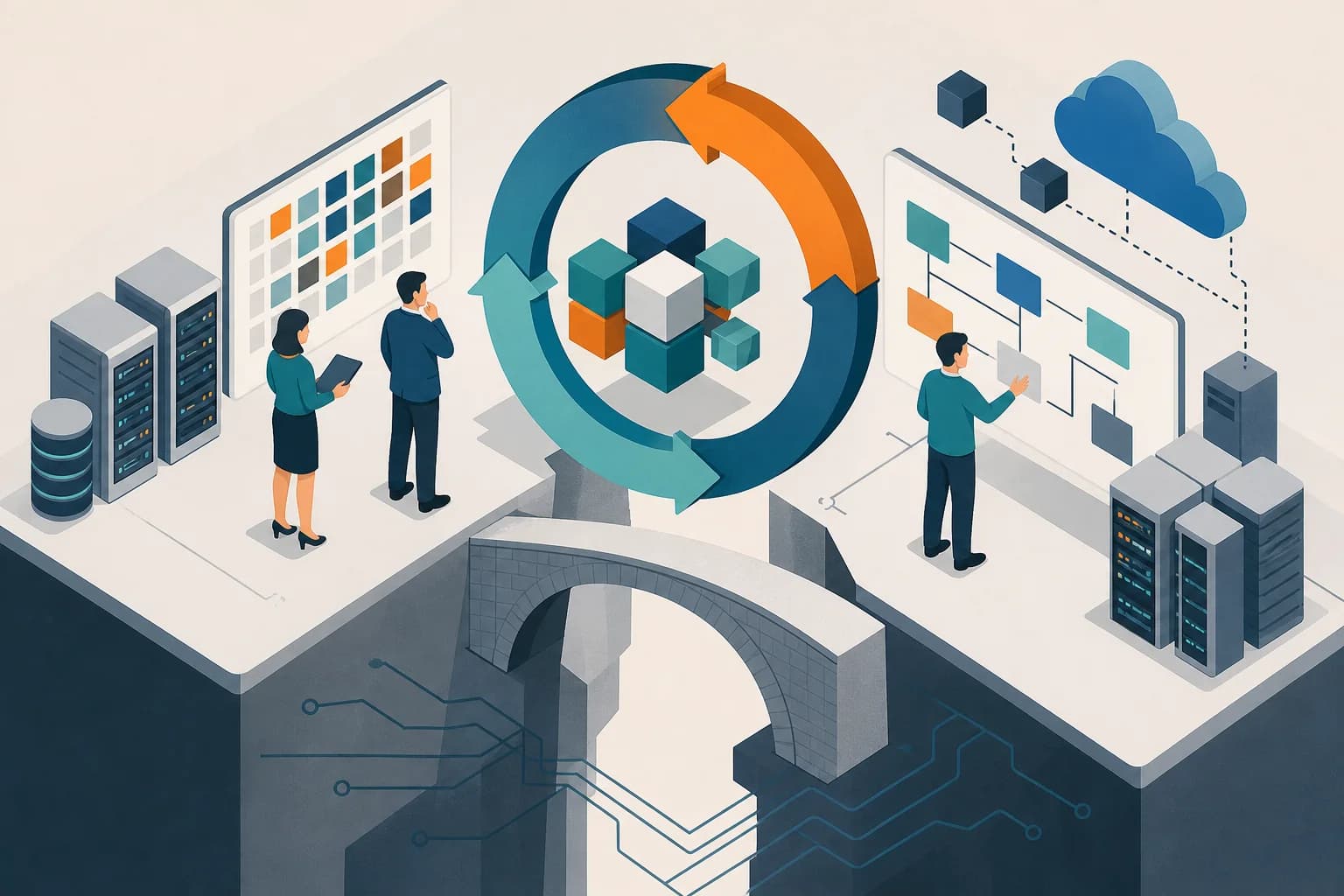
Moving beyond static assessments requires integrating real-time telemetry and strict scoping to align technical debt remediation with business objectives.
TAG
17 REPORTS
Moving beyond static assessments requires integrating real-time telemetry and strict scoping to align technical debt remediation with business objectives.
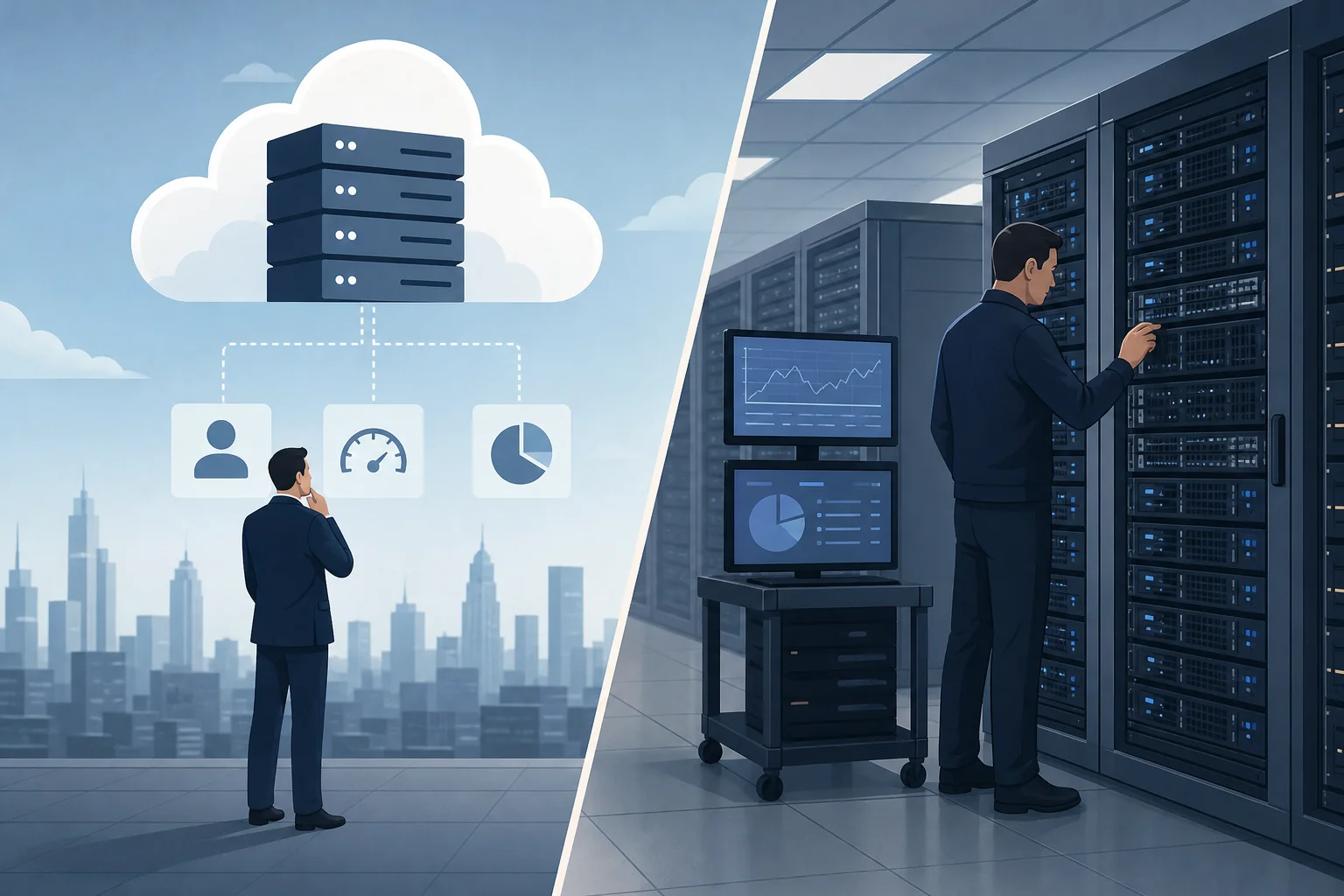
Enterprise architectural decisions regarding managed versus self-hosted compute environments determine the feasibility of granular AI cost governance.
Transitioning from fragmented AI application development to a centralized platform model reduces hallucination rates and improves operational visibility.
Enterprise systems require new observability patterns to catch silent failures in AI agents that pass standard health checks but deliver incorrect results.
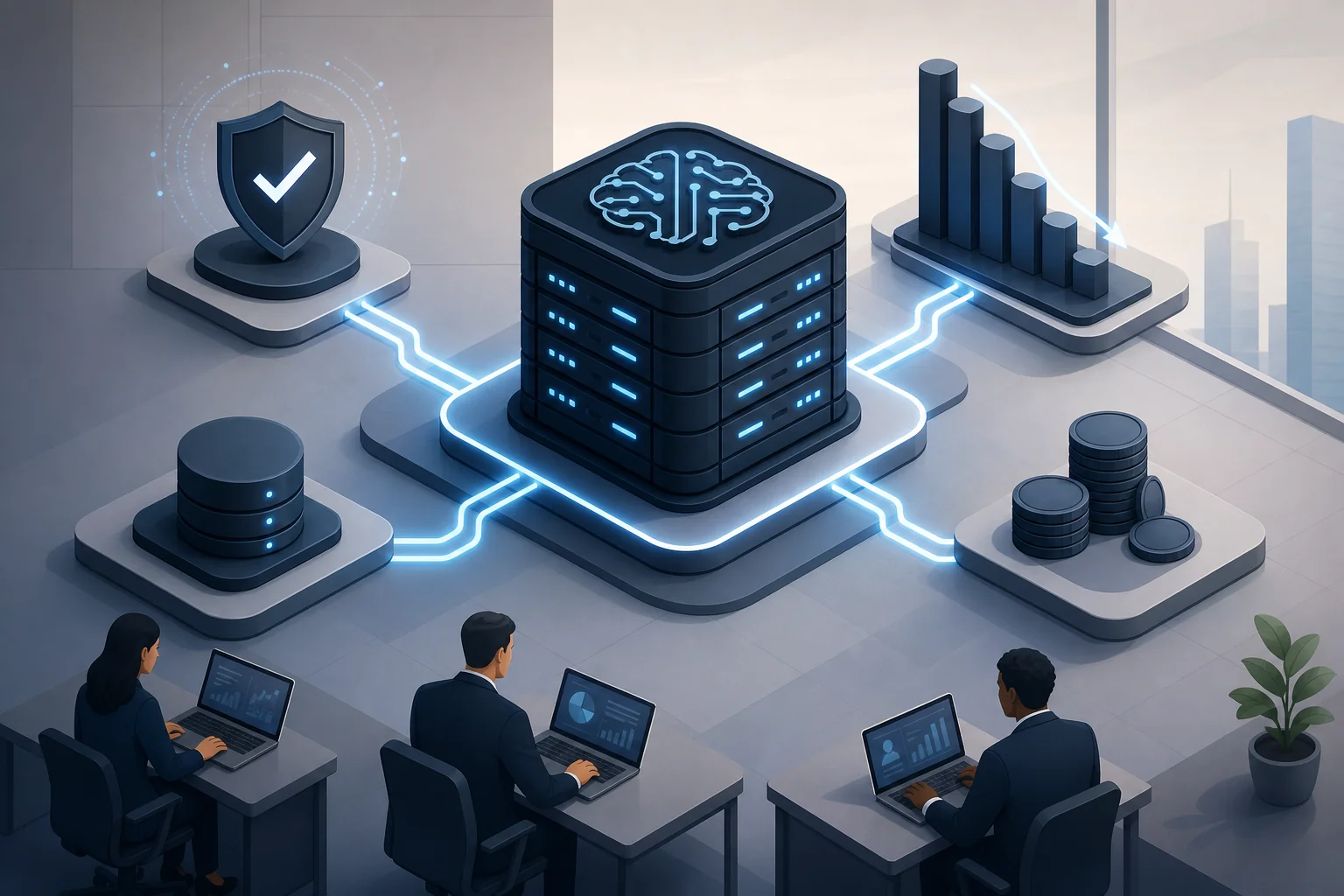
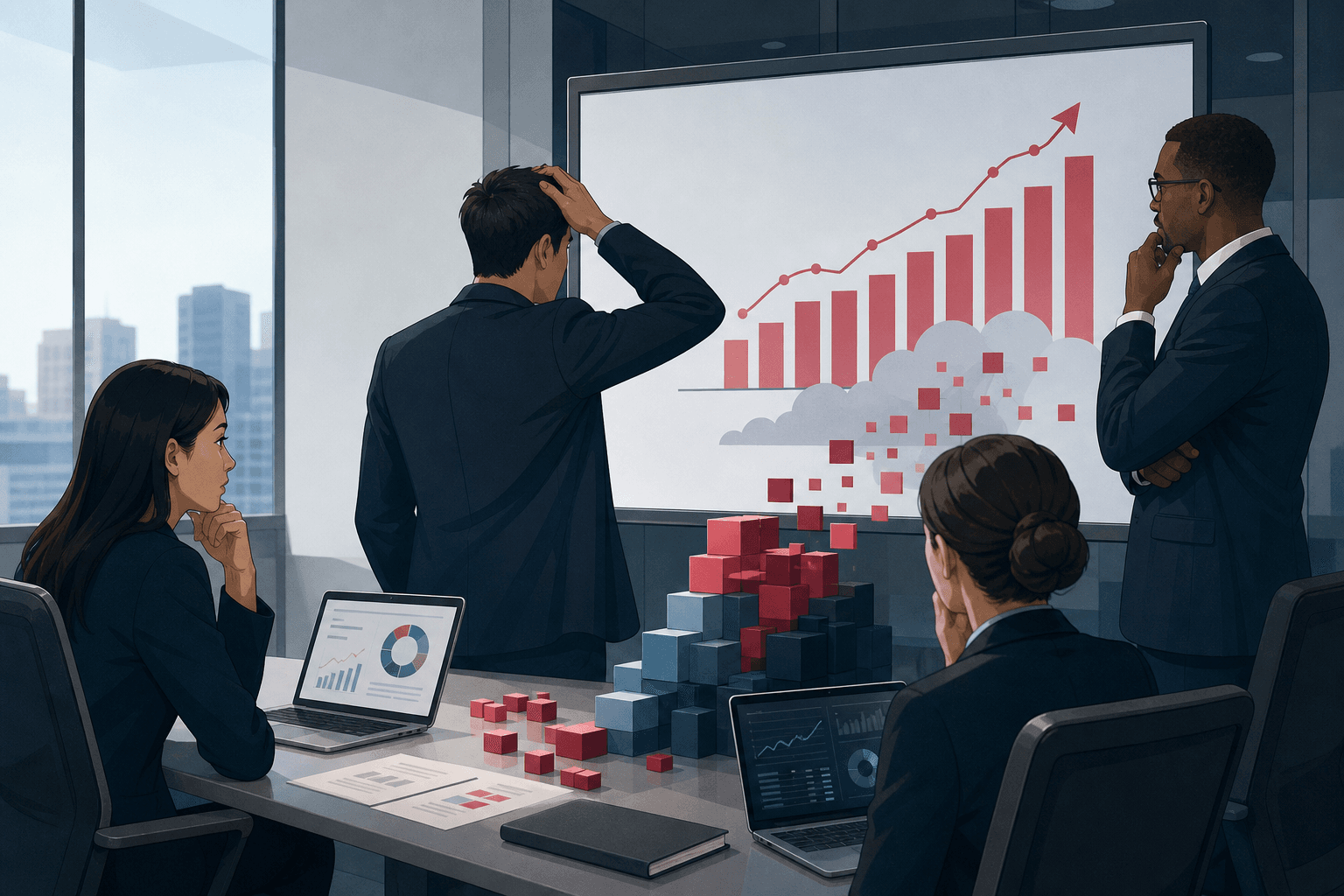
Enterprise engineering leaders must transition from unchecked AI adoption to disciplined token governance to prevent runaway infrastructure costs and technical debt.
Shifting from static service account keys to federated trust relationships reduces credential exposure and operational overhead in enterprise cloud environments.
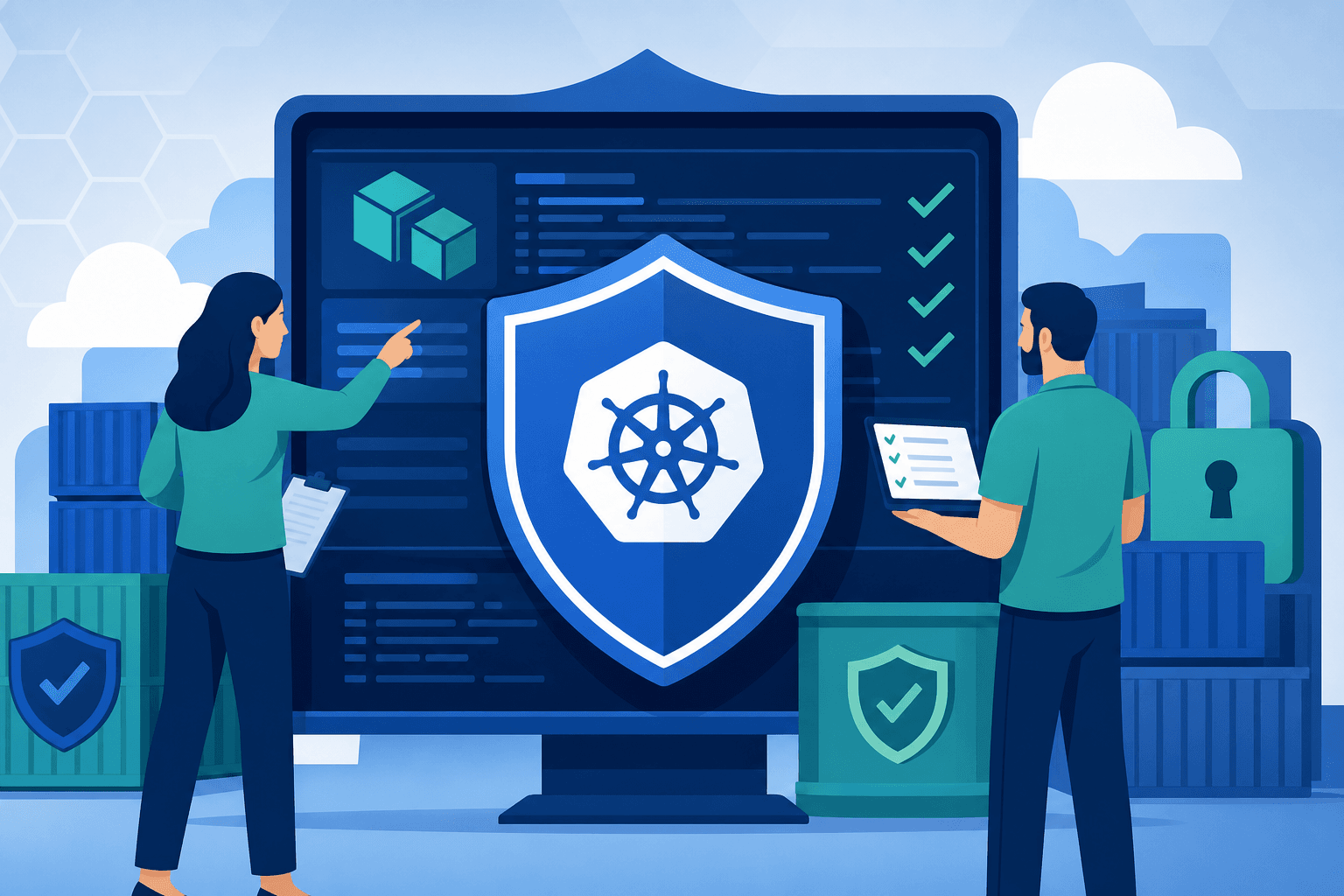
Kubescape provides a systematic approach to auditing containerized environments by integrating security policy enforcement directly into the CI/CD pipeline.
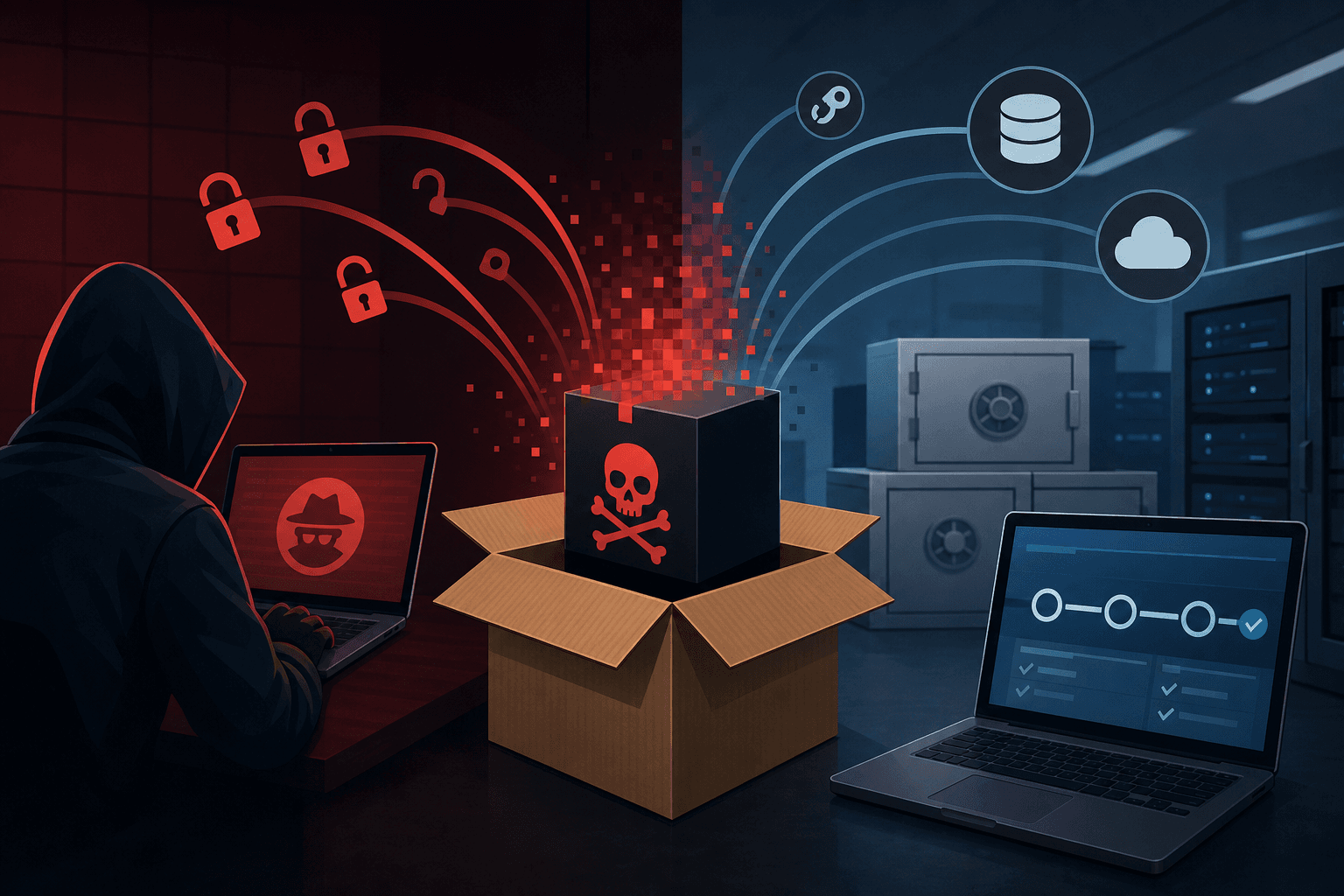
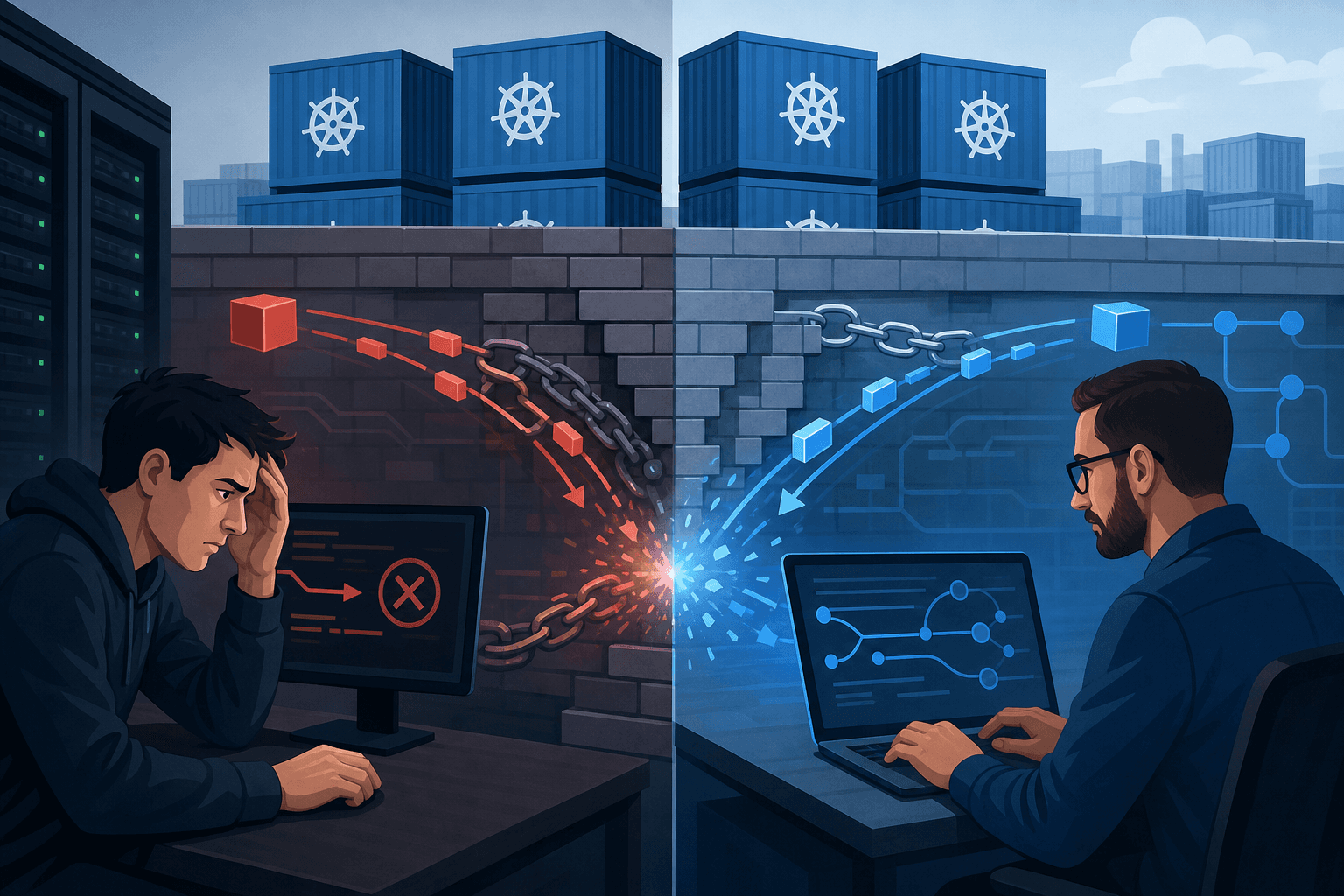
A malicious injection into the LiteLLM AI gateway has compromised thousands of organizations, highlighting critical vulnerabilities in automated CI/CD dependency management.
Infrastructure architects must navigate the transition from legacy iptables to the nftables kernel engine to resolve persistent networking failures in containerized environments.
Unchecked token consumption and fragmented accountability are forcing enterprises to reapply cloud-era FinOps frameworks to stabilize AI infrastructure spending.