GitHub Integrates Agentic Workflows into Actions Security Architecture
GitHub brings autonomous coding agents under the umbrella of standard CI/CD governance, replacing ad-hoc local execution with a managed, policy-driven framework.
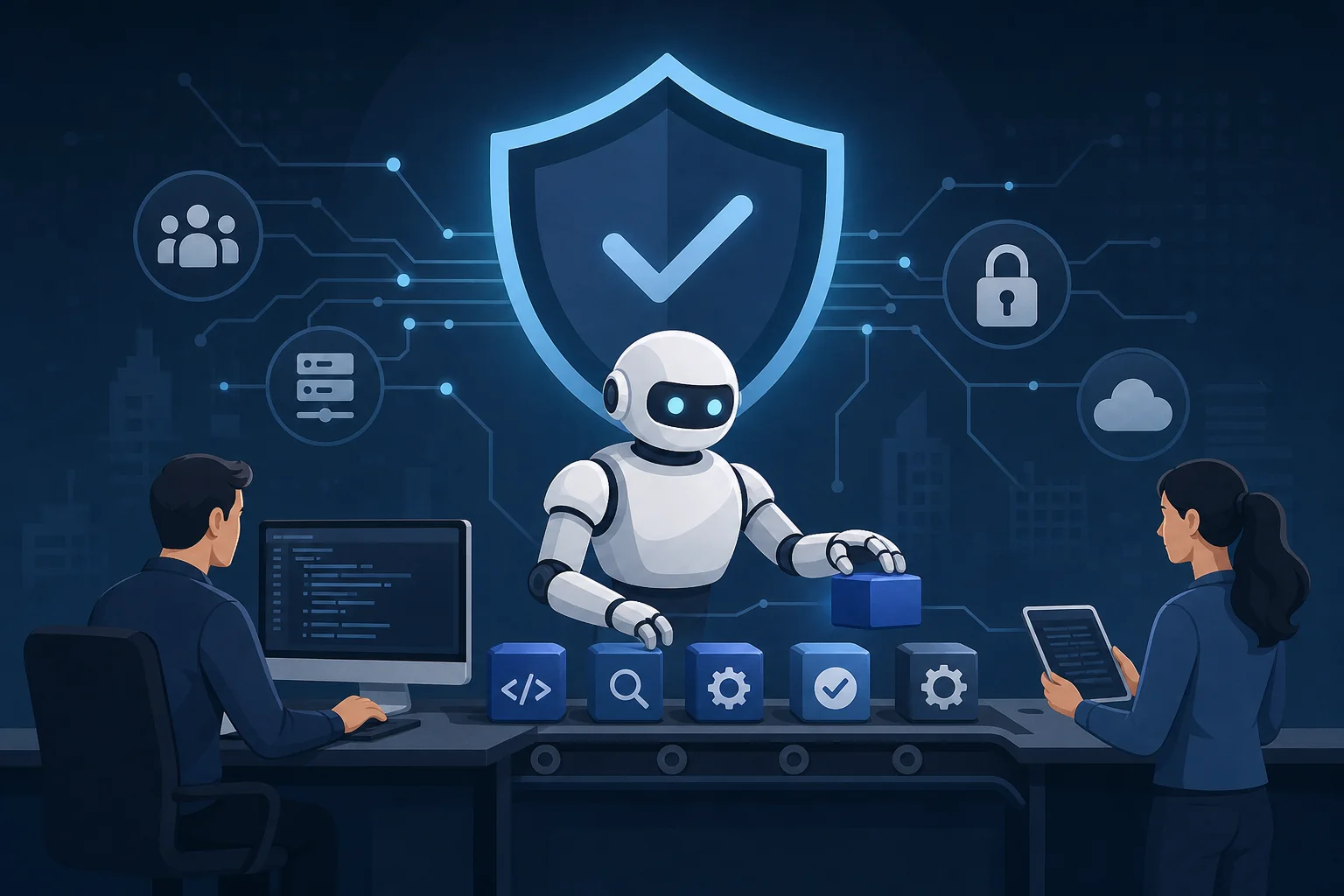
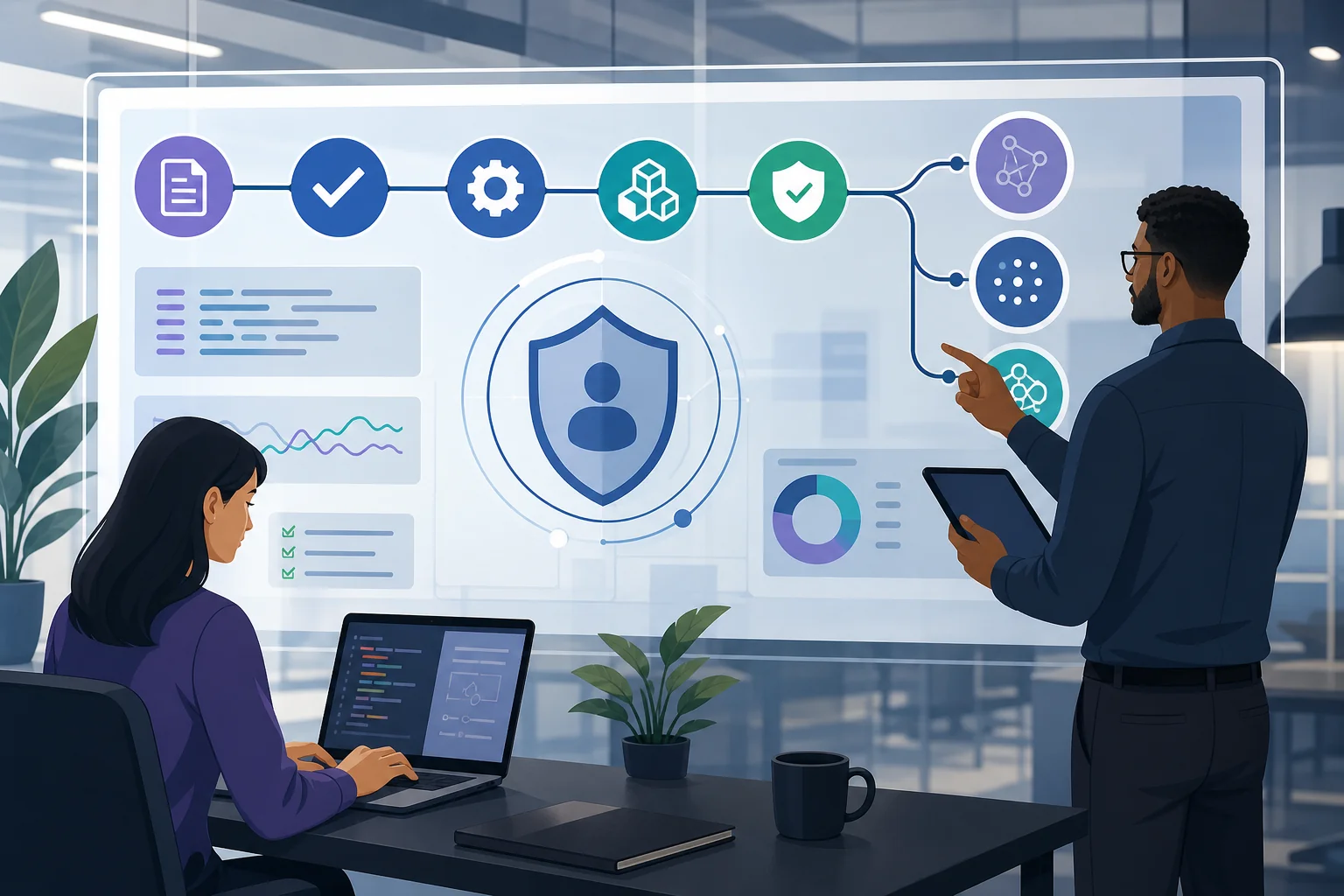
GitHub has moved its Agentic Workflows project from the experimental GitHub Next phase to general availability, effectively formalizing the integration of autonomous coding agents within existing CI/CD governance frameworks. By compiling natural-language automation definitions into standard Actions YAML, the platform allows organizations to apply existing runner groups and policy constraints to agentic tasks that previously operated outside of corporate oversight.
The shift addresses a significant operational shadow-IT problem where developers execute coding agents from local machines using personal access tokens. By forcing these agents into the Actions environment, GitHub subjects them to the platform’s established security perimeter, including read-only default permissions and mandatory integrity filter rules. The architecture relies on a sandboxed container environment protected by an Agent Workflow Firewall, which intercepts and validates agent-generated outputs before they are permitted to modify repository state.
Technical implementation at general availability includes support for Actions Runner Controller self-hosted runners using Docker-in-Docker, alongside advanced isolation options like Cloud Hypervisor or NVX micro-VMs. A new model router facilitates task-specific selection, while a threat detection job provides a final verification layer for proposed changes. These components aim to mitigate the inherent risks of prompt-injection pipelines, where external inputs such as issue bodies or pull request descriptions directly influence agent behavior.
According to the official GitHub documentation, the system is designed to handle reasoning-intensive tasks such as issue triage, CI failure analysis, and documentation updates. By centralizing these workflows, the platform ensures that every agentic action is logged, audited, and subject to the same organizational policies that govern human-initiated code changes. This transition effectively moves agentic activity from an unmanaged local process to a centralized, observable pipeline component.
The release notes further detail that the agentic infrastructure is compatible with GitHub Free, Team, and Enterprise tiers, though the underlying Copilot CLI engine requires a valid license. By leveraging existing runner groups, organizations can enforce strict network egress controls and resource limits, preventing agents from accessing unauthorized internal services or exfiltrating data. This integration represents a strategic effort to standardize the deployment of AI-driven automation within the enterprise software development lifecycle.
Enterprise architects must recognize that the security boundary now rests on the definition of safe outputs rather than the agent itself. While the platform provides a structured mechanism for validation, the efficacy of this defense depends entirely on the granularity of the rules defined by the platform team. Organizations should prioritize the isolation of runner groups to ensure that agents interacting with public repositories cannot access sensitive internal deployment credentials.
Cost management remains a critical operational consideration, as the threat detection scan and the execution of agents on high-volume repositories introduce new consumption variables. The inclusion of a forecasting tool via the CLI extension allows teams to estimate monthly expenditures before committing to specific automation templates. This financial visibility is essential for scaling agentic workflows without incurring unexpected overhead in complex CI/CD environments.
Comparing this approach to alternative CI/CD platforms reveals a distinct trade-off between integration and portability. GitLab offers a similar model through its Duo Agent Flows, which leverage existing pipeline access controls, whereas users of Jenkins or Azure Pipelines must manually construct their own read/write separation and egress controls. GitHub’s implementation provides a more cohesive, albeit proprietary, solution that simplifies the operational burden at the cost of increased platform lock-in.
Security leaders should monitor the evolution of the integrity filter, as the current documentation lacks detail regarding the specific mechanisms used to neutralize hostile input. The primary risk remains the interaction between untrusted external data and the agent’s decision-making process, which can be steered toward unauthorized actions if the output validation is overly permissive. Future audits should focus on the configuration of these validation layers rather than the agent’s underlying model performance.
Strategic adoption requires a phased approach, beginning with low-risk tasks such as issue triage or documentation updates before expanding to code modification. Teams should treat the compiled YAML as a primary artifact for audit, ensuring that the automation logic remains transparent and subject to the same review standards as human-authored code. Continued vigilance regarding the runtime environment of the runners will be necessary to prevent lateral movement within the infrastructure.
TAGGED
REFERENCED
- Actions Runner Controllerdocs.github.com
- release notesgithub.blog
- Duo Agent Flowsdocs.gitlab.com
RELATED INTELLIGENCE
- DEVOPS
Optimizing Enterprise Architecture Through Iterative Gap Analysis
Moving beyond static assessments requires integrating real-time telemetry and strict scoping to align technical debt remediation with business objectives.
- DEVOPS
GitLab 19.4 Integrates Agentic Governance into CI/CD Pipelines
The latest GitLab release introduces terminal-based goal delegation and multi-model support to balance autonomous software development with enterprise security and cost controls.
- DEVOPS
Automating Kubernetes Security Governance with Kubescape
Kubescape provides a systematic approach to auditing containerized environments by integrating security policy enforcement directly into the CI/CD pipeline.