AI
Debugging AI Agent Failure Modes in Production Environments
Enterprise systems require new observability patterns to catch silent failures in AI agents that pass standard health checks but deliver incorrect results.
TAG
84 REPORTS
Enterprise systems require new observability patterns to catch silent failures in AI agents that pass standard health checks but deliver incorrect results.
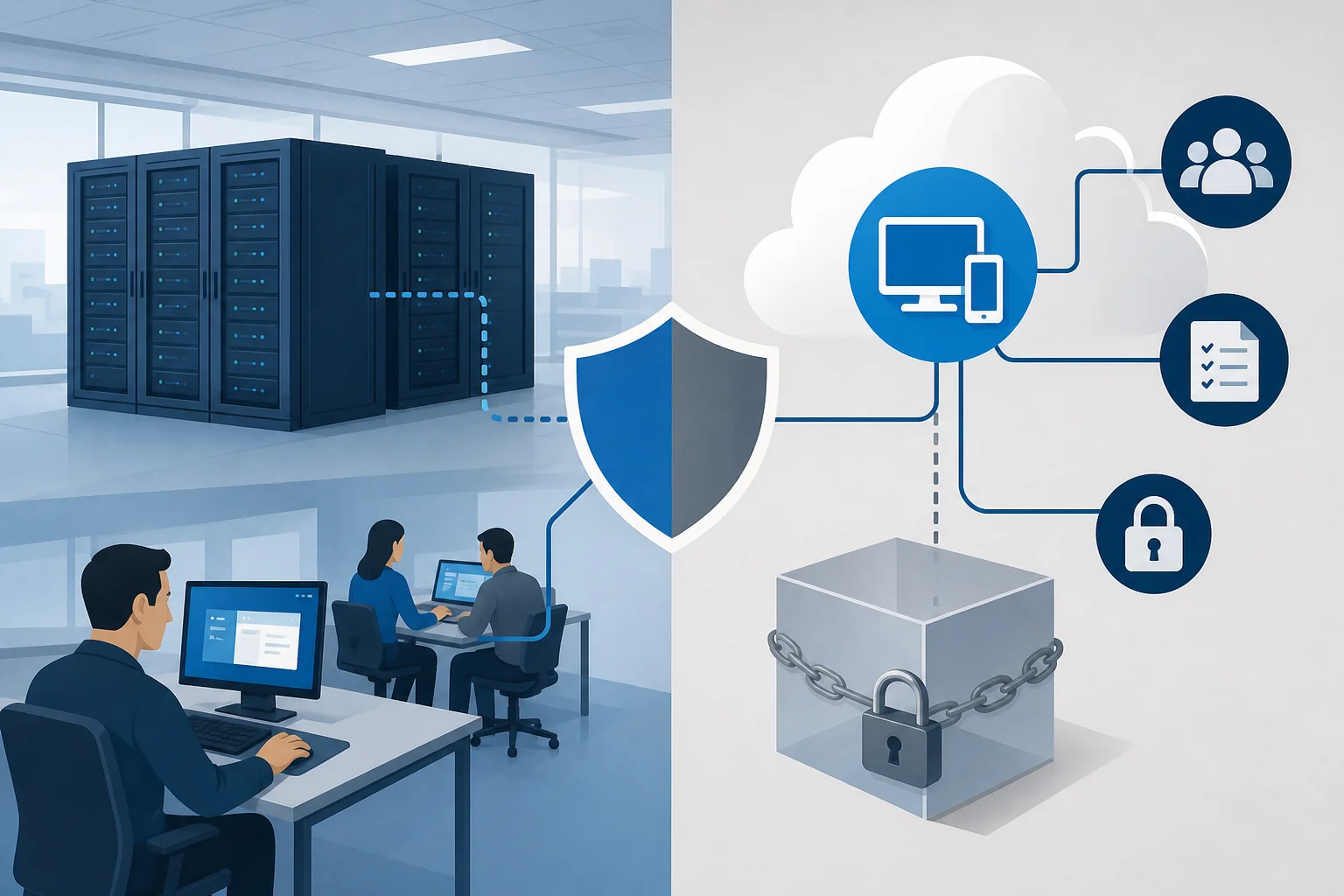
The general availability of Azure Virtual Desktop Hybrid introduces a split-plane management model while imposing significant licensing and operational hurdles for enterprise architects.
The Kenya Revenue Authority has announced a one-hour system shutdown to perform routine infrastructure optimizations.
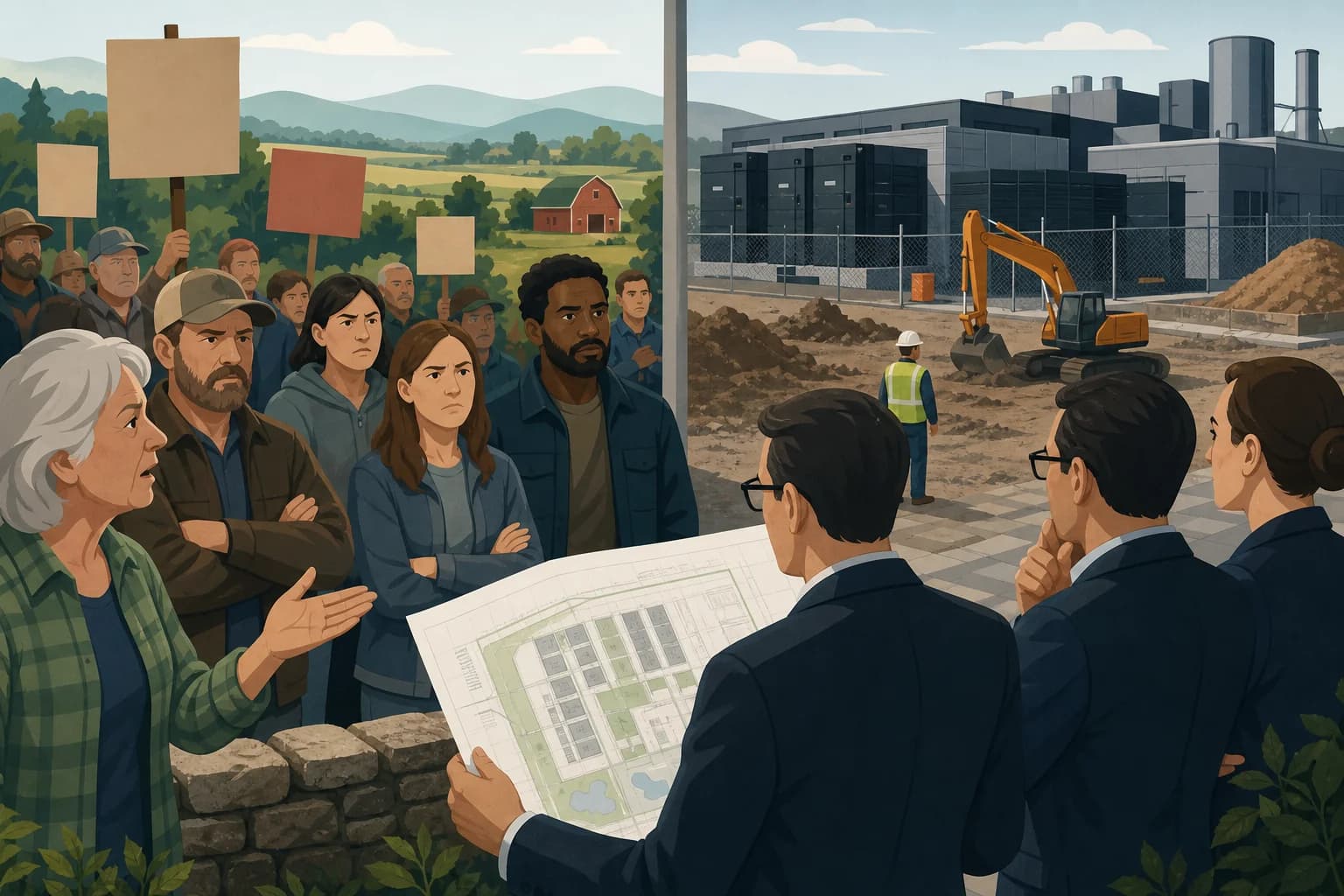
Voters are increasingly resisting the construction of large-scale AI data centers, forcing enterprise architects to rethink site selection and resource management strategies.
The technology provider achieves advanced security verification, highlighting the critical need for standardized defensive protocols across enterprise supply chains.
The corporate venture arm is expanding its scope beyond healthcare-specific startups to integrate external technology stacks into its enterprise architecture.
Enterprise engineering leaders must transition from unchecked AI adoption to disciplined token governance to prevent runaway infrastructure costs and technical debt.
The firm appoints a new global head of delivery to unify operations and accelerate the transition toward AI-native software engineering across its enterprise portfolio.
Shifting from static service account keys to federated trust relationships reduces credential exposure and operational overhead in enterprise cloud environments.
Beijing is shifting its military doctrine toward integrated systems destruction, compelling Taiwan to rethink its reliance on centralized command and fixed infrastructure.