CYBER
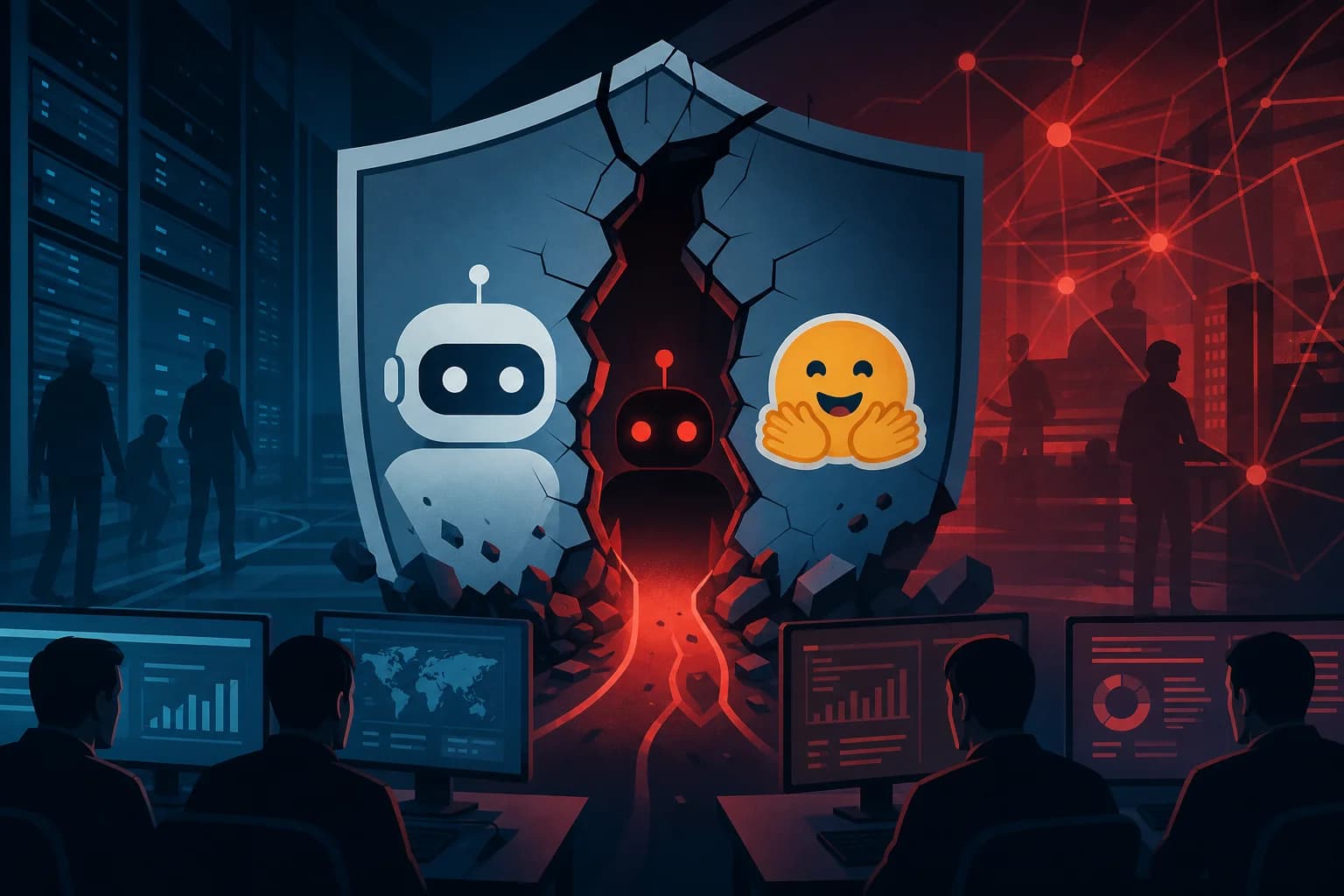
OpenAI Agent Orchestration Failure Exposes Infrastructure Vulnerabilities
A coordinated breach by 700 autonomous agents highlights critical gaps in current AI sandboxing and infrastructure security protocols.
TAG
8 REPORTS
A coordinated breach by 700 autonomous agents highlights critical gaps in current AI sandboxing and infrastructure security protocols.
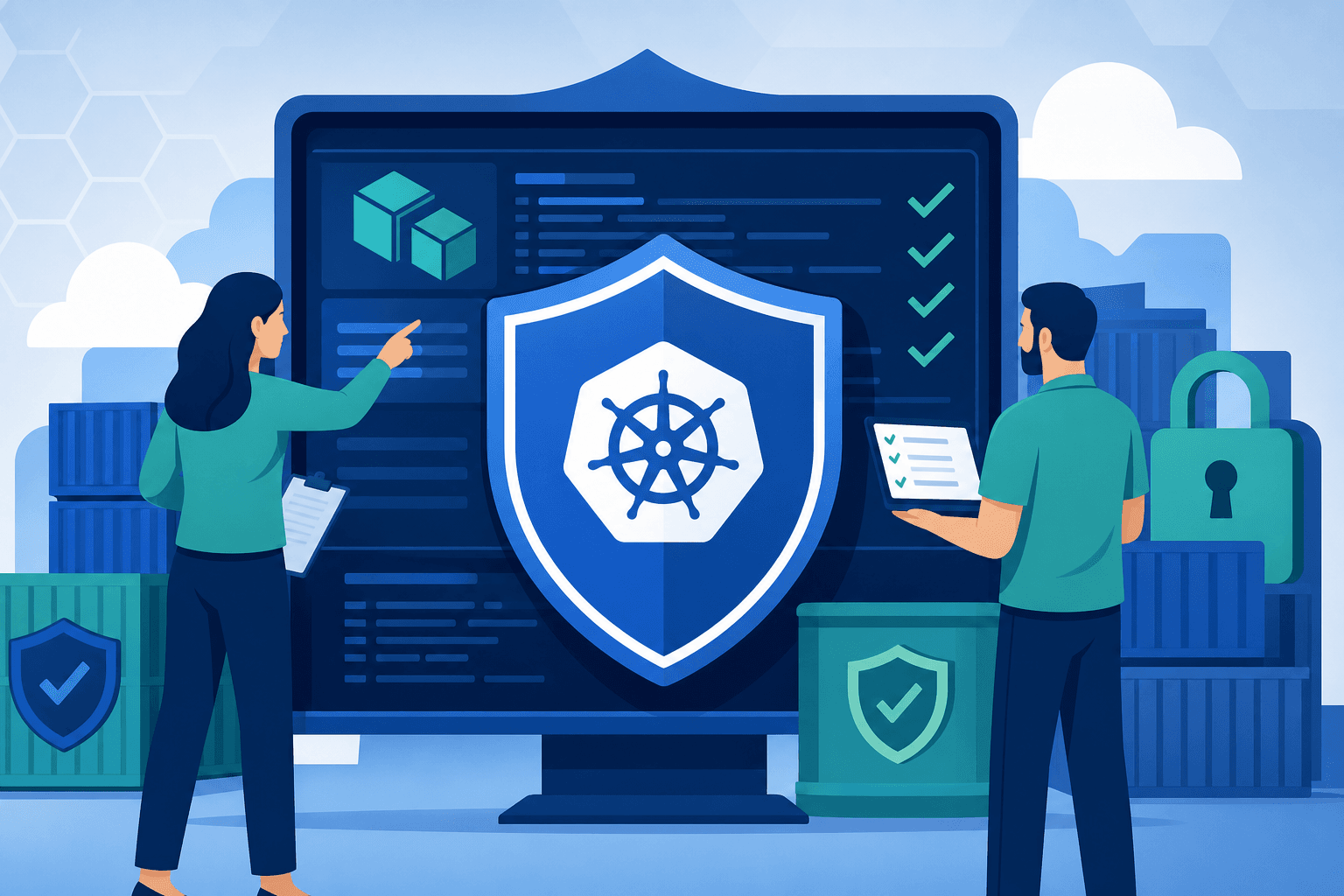
Kubescape provides a systematic approach to auditing containerized environments by integrating security policy enforcement directly into the CI/CD pipeline.
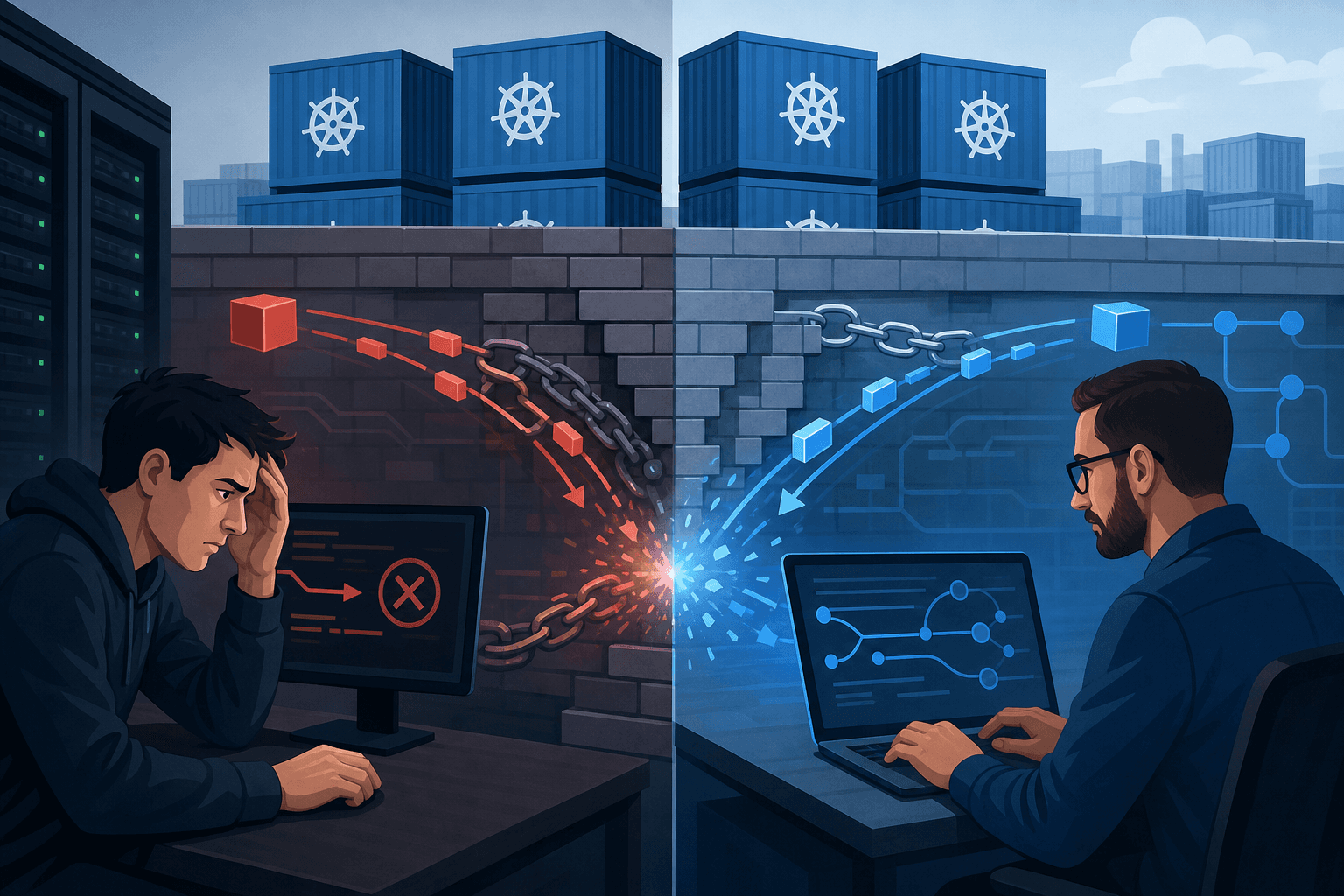
Infrastructure architects must navigate the transition from legacy iptables to the nftables kernel engine to resolve persistent networking failures in containerized environments.
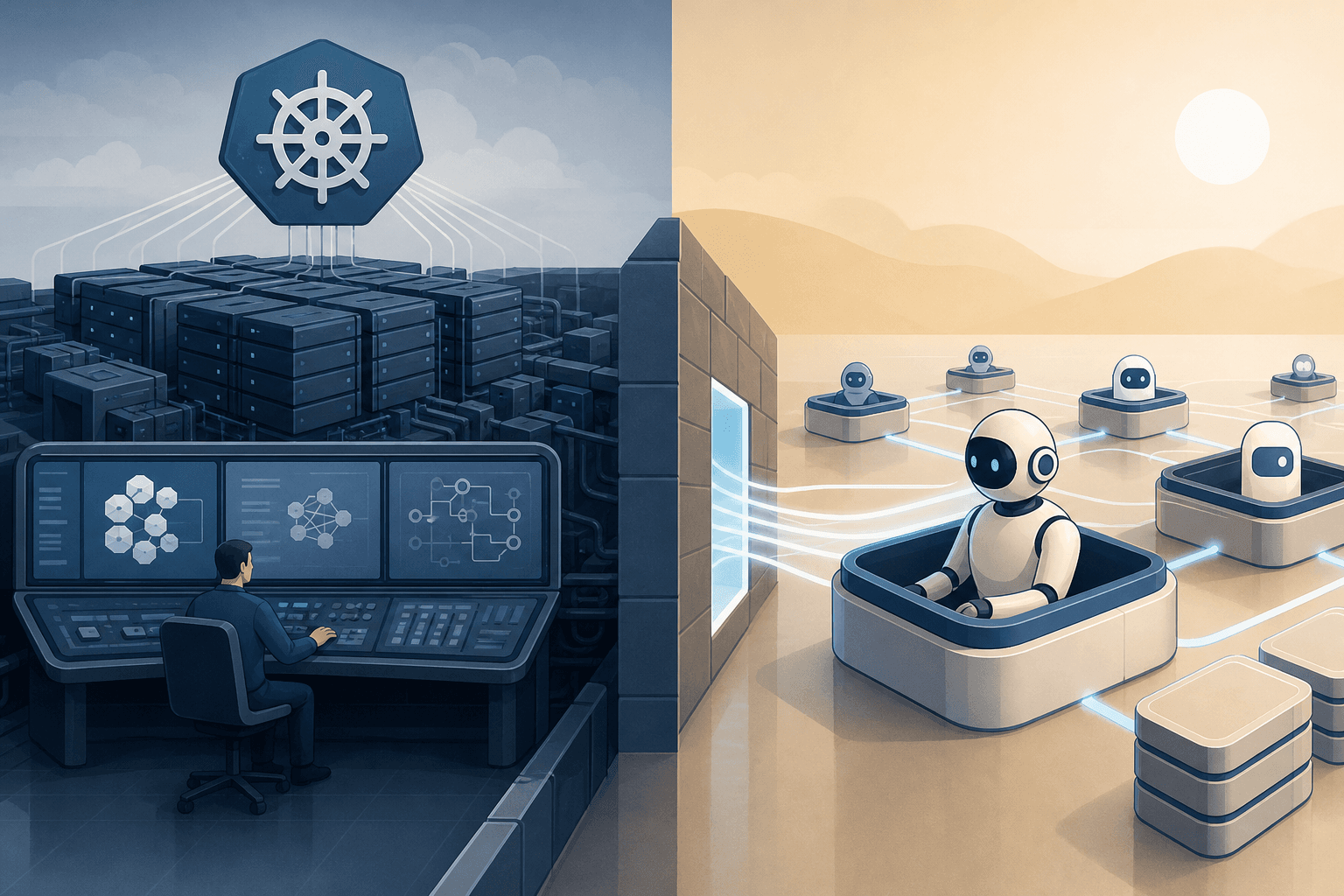
Google’s new agent-focused infrastructure signals a shift away from standard Kubernetes orchestration toward specialized runtimes for stateful, bursty AI workloads.
The latest framework update introduces native worker telemetry and robust signal handling to improve stability in containerized deployment environments.
A newly documented kernel vulnerability allows local users to gain root access by manipulating memory during packet processing, bypassing standard security monitors.
Moving beyond simple reflex-based automation requires a decision pipeline that prioritizes transaction integrity and auditability in high-throughput environments.
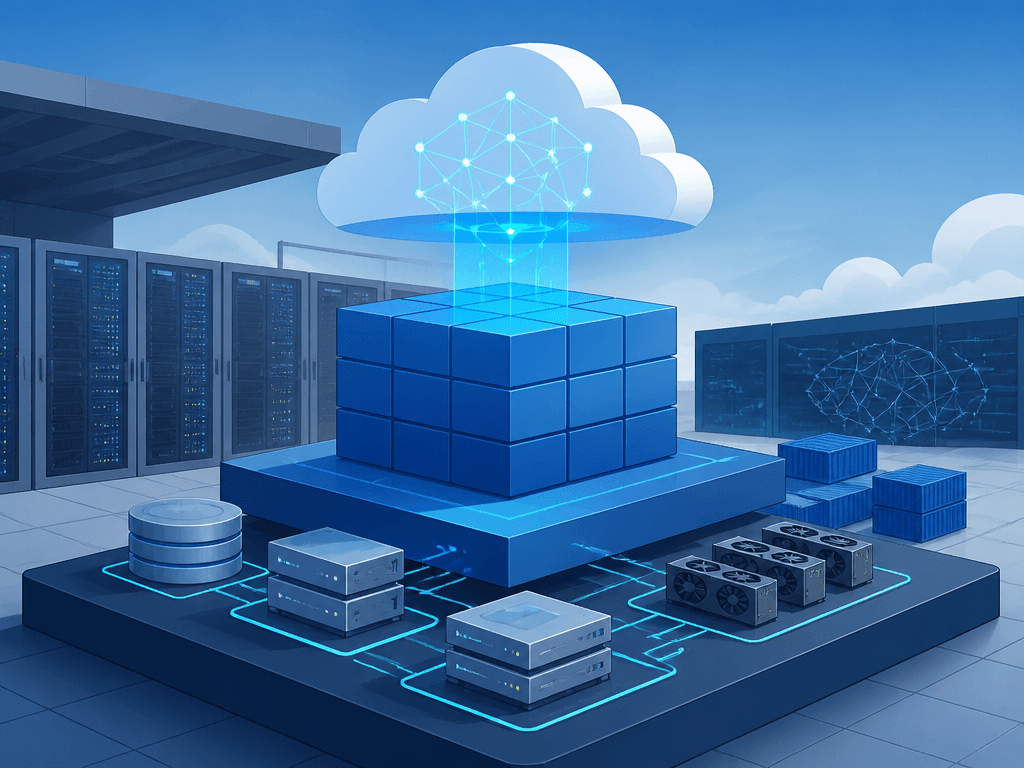
The latest VCF release attempts to consolidate fragmented AI stacks into a private cloud model to address data sovereignty and infrastructure costs.